Plant Mom Sublimation: A Designer’s Real-World Review
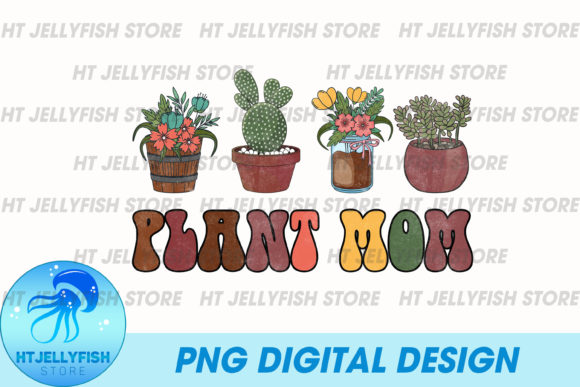
As an embroidery digitizer and product reviewer, I approach every new graphic with a specific question: will this actually translate into a high-quality stitched product? When evaluating Plant Mom Sublimation, my first impression is that it captures a distinct botanical aesthetic that resonates deeply with current market trends. However, because this listing is explicitly a PNG file intended for print templates and graphics rather than a pre-digitized embroidery file, the evaluation requires a different lens. We are not reviewing stitch paths; we are reviewing the visual foundation for potential machine embroidery design, sublimation transfers, or mixed-media projects.
The mood of this graphic is undeniably cozy yet modern. It speaks directly to the plant enthusiast demographic, offering a layout that feels organic rather than rigid. For a creative entrepreneur or Etsy seller, this visual personality is crucial. It suggests warmth and nurturing, making it an ideal candidate for personalized gifts or boutique merchandise. However, translating a raster graphic like Plant Mom Sublimation into thread requires careful consideration of detail, contrast, and fabric compatibility.
Translating Graphics to Thread: A Tote Bag Case Study
To truly understand the utility of this asset, I mentally placed it onto a natural canvas tote bag—a staple handmade product for craft businesses. In a real-life scenario, a customer requests a custom "Plant Mom" tote for a gardening club gift. Using this PNG as a reference, the challenge becomes interpreting the artwork for needle and thread.
If you intend to use this graphic as a guide for creating a machine embroidery design, you must assess the line weight. Sublimation graphics often feature watercolor washes or fine gradients that do not exist in embroidery. For the tote bag project, I would look at the main botanical elements and determine if they work better as an applique design or dense fill stitch areas. The text element in Plant Mom Sublimation is critical here; if the font is too thin or distressed in the PNG, it cannot be replicated with a standard satin stitch without risking thread breaks or illegibility. You may need to redraw the lettering entirely to ensure stitching clarity on the textured canvas fabric.
Conversely, if you are using this strictly for sublimation on polyester-coated tumblers or apparel, the translation is direct. But for those of us in the embroidery space, this graphic serves best as a high-resolution mockup base or a digitizing template. It allows you to visualize the final placement before committing thousands of stitches. For a small shop product, seeing how the design sits on a curved tote bag surface in a printable mockup can save hours of hooping and unhooping wasted blanks.
Where Caution is Required in Production
While the aesthetic is versatile, there are specific scenarios where using Plant Mom Sublimation as a basis for embroidery requires restraint. Small hoop sizes are the first red flag. Botanical designs often rely on intricate leaf veins and petal details. If you attempt to shrink this concept down for a 4x4 hoop or a cap logo, those details will turn into a muddy blob of thread. Always confirm your minimum size requirements before purchasing or digitizing based on this graphic.
Fabric texture also dictates success. On smooth cotton, the translation from PNG to stitch is manageable. On terry cloth towels or fleece blankets, however, the delicate lines typical of plant mom aesthetics can get lost. You would need to increase stitch density or add a knockdown stitch layer, which changes the hand-feel of the finished product. Stretchy fabrics like jersey knits present another hurdle; without proper stabilizer and potentially a lighter interpretation of the original graphic, the design could distort during wear and washing.
Furthermore, be mindful of color complexity. Sublimation allows for unlimited colors and shading. Embroidery does not. Before starting any commercial embroidery project based on this art, test your thread colors against the PNG. Can you achieve the same depth with three shades of green, or does the design require ten? Over-simplifying can make the design look flat, while over-complicating increases production time and cost. For baby embroidery or items requiring frequent washing, fewer colors and simpler fill stitches are always superior to complex shading attempts.
Elevating Product Value and Brand Consistency
For Etsy sellers and handmade shop owners, consistency builds trust. Using Plant Mom Sublimation across multiple product lines—perhaps as a sublimated patch on one item and a re-digitized embroidered accent on another—creates a cohesive brand identity. Customers recognize the style, which increases buyer engagement and perceived value.
The professionalism of your finished product hinges on respecting the limitations of the medium. A crisp, well-executed embroidery project inspired by this graphic looks significantly more valuable than a poorly digitized attempt that tries to force photographic detail into thread. When clients see that you have adapted the design intelligently for the specific garment, whether it is custom apparel or holiday embroidery, they trust your expertise. This trust translates to repeat business and positive reviews.
Additionally, utilizing this PNG for digital product previews or printable mockups enhances your listing quality. Buyers want to see exactly what they are getting. A clean, attractive mockup featuring the Plant Mom theme helps bridge the gap between digital browsing and physical purchase, especially for personalized gifts where visualization is key.
Essential Notes for Makers and Digitizers
Before incorporating Plant Mom Sublimation into your workflow, please adhere to these practical guidelines to ensure professional results:
- Verify File Usage: Remember this is a PNG file only. No cutting files are included, and it is not suitable for Cricut or Silhouette machines. Do not attempt to cut vinyl from this raster image.
- Test Before Selling: Always test any derived embroidery design on scrap fabric first. Check thread color contrast and stitch density specifically for your target material.
- Check Licensing: Confirm whether your purchase includes commercial rights for selling finished products or if it is limited to personal use. This is vital for craft business compliance.
- Stabilizer Selection: Match your stabilizer to the fabric weight. A design this detailed generally requires a sturdy cut-away for knits or tear-away for stable wovens to prevent puckering.
- Mockup Validation: Use the PNG to create black and white mockups to test contrast. If the design relies solely on color differentiation without value contrast, it may fail in embroidery.
- Detail Inspection: Zoom in to 100% on the PNG. If edges are pixelated or blurry at actual print size, they will be difficult to trace accurately for digitizing.
- Hoop Size Confirmation: Ensure your intended hoop size accommodates the design's aspect ratio without excessive empty space or overcrowding.
Ultimately, Plant Mom Sublimation is a beautiful graphic asset that offers immense potential for makers who understand their tools. Whether you are using it directly for sublimation prints or as inspiration for a new line of embroidered patches and tote bags, success lies in respecting the transition from pixel to product. By approaching this design with a critical, practical eye, you ensure that every sweatshirt, apron, or nursery decor item you create meets the high standards your customers expect. Always review the specific technical constraints of your equipment and materials, and let the design serve the project, not the other way around.