Mom T Shirt-59: A Designer’s Embroidery Review
When evaluating a new machine embroidery design for my shop, I look past the digital preview and immediately imagine how it will behave under the needle. Mom T Shirt-59 caught my attention as a versatile Mother’s Day option, but its true value lies in how it translates from screen to fabric. As a designer who creates both custom apparel and personalized gifts, I need assets that are reliable, visually balanced, and commercially viable. This review breaks down my practical assessment of this graphic for real-world embroidery projects.
First Impressions and Visual Personality
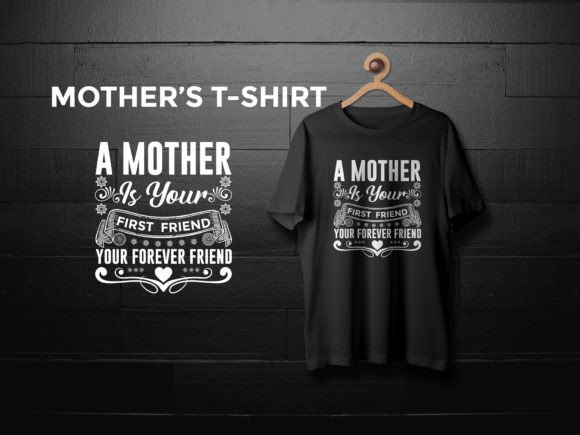
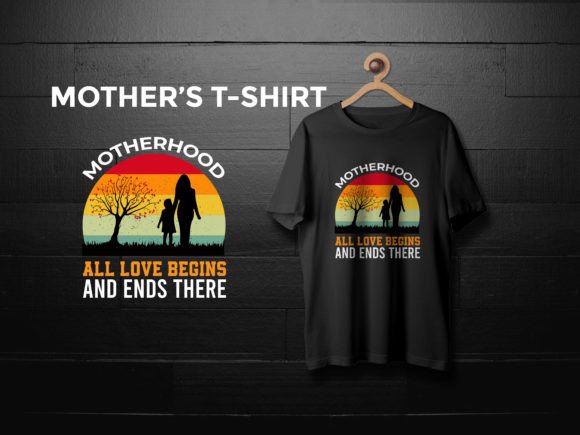
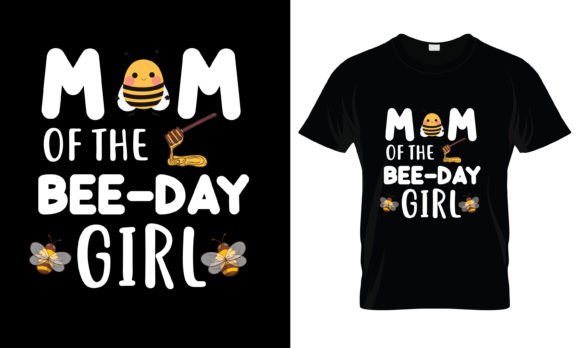
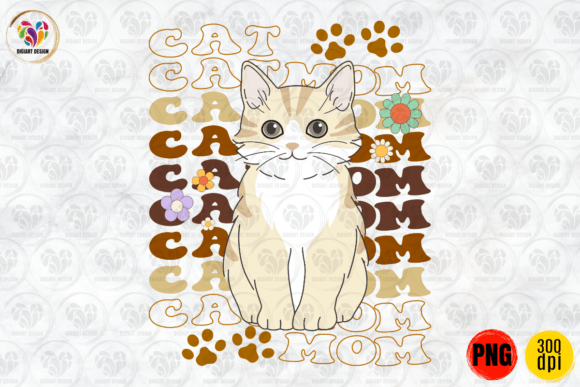
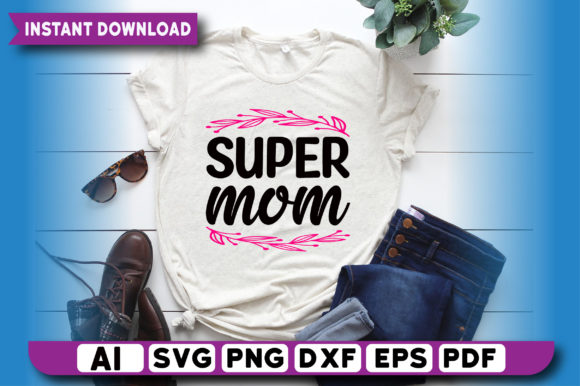
My initial reaction to Mom T Shirt-59 is that it strikes a necessary balance between sentimentality and modern aesthetics. Many motherhood designs lean heavily into overly ornate script or cluttered iconography, which can become a nightmare when converting to stitches. This design, however, feels cleaner. The layout suggests a composition that respects negative space, which is crucial for preventing puckering on knit fabrics. It carries a warm, approachable mood without feeling dated, making it suitable for a wide demographic ranging from new moms to grandmothers.
As a piece of digital art within the Print Templates category, the lines appear distinct. For an embroiderer, clear lines mean easier digitizing and fewer jump stitches. The visual weight seems evenly distributed, implying that if you were to center this on a sweatshirt or tote bag, it wouldn't pull the garment to one side. This balance is essential for maintaining the professional drape of a finished product.
Real-World Application: Stitching a Custom Sweatshirt
To truly judge this asset, I mentally placed it in a current project scenario: creating a premium crewneck sweatshirt for an Etsy listing targeting first-time mothers. Sweatshirts are high-value items where stitch quality is scrutinized by buyers. In this context, Mom T Shirt-59 serves as more than just decoration; it is the selling point.
If I were hooping a cotton-poly blend fleece for this project, I would likely treat this as a potential applique design or a mixed-media stitch-out depending on the specific digitization. The design's structure suggests it could anchor well on the left chest or center front. For a sweatshirt embroidery project, the design needs to have enough presence to stand out against the textured fleece but enough refinement to look expensive. If the lettering or details are too thin, they get lost in the nap of the fabric. Based on the visual profile of Mom T Shirt-59, it appears robust enough for heavier garments while retaining the delicacy needed for lighter tees.
This versatility extends beyond apparel. I can easily visualize this design working beautifully on a canvas tote bag design or even as a decorative element on a nursery pillow. For commercial embroidery businesses, having a single design file that adapts to multiple substrates increases your return on investment. It allows you to create cohesive collections—matching shirts, mugs, and stickers—which boosts average order value.
Fabric Considerations and Technical Caution Zones
While Mom T Shirt-59 shows promise, experienced makers know that not every design suits every surface. Here is where I would exercise caution during production:
- Stretchy Knits and Thin Fabrics: If applying this to a lightweight rayon tee or stretchy jersey, stitch density becomes critical. Ensure your stabilizer choice matches the fabric weight. A cut-away stabilizer is non-negotiable here to prevent distortion.
- Textured Surfaces: On terry cloth towels or pique polos, fine details can disappear. You may need to add a topping or adjust the underlay to ensure the design sits on top of the texture rather than sinking in.
- Curved Surfaces: If adapting this for caps or curved sleeves, verify the aspect ratio. Designs optimized for flat hoop size areas often require reshaping to compensate for the curve of a hat brim.
- Dark Fabrics: Always test contrast. If the design relies on subtle shading or tone-on-tone stitching, it may lack visibility on black or navy garments. High-contrast thread colors might be necessary to maintain readability.
For baby embroidery items like onesies, safety and comfort are paramount. Check the back of the stitch-out for excessive bobbin thread buildup or rough textures that could irritate sensitive skin. Using a soft tear-away backing or covering the back with a fusible interfacing can mitigate this issue.
Impact on Product Value and Brand Perception
In the competitive landscape of Etsy seller shops and handmade markets, presentation dictates price. A sloppy stitch-out devalues even the most beautiful base garment. Mom T Shirt-59 contributes to perceived value through its clean geometry and thematic relevance. When customers see crisp edges and balanced proportions, they trust the maker’s craftsmanship.
Furthermore, consistency builds brand recognition. If you use this design across various design assets—from physical products to printable mockups for your online store—it creates a unified visual identity. Customers begin to associate that specific aesthetic with your shop. For holiday embroidery seasons like Mother’s Day, having a reliable, tested design reduces production stress and ensures your inventory looks cohesive in marketing photos.
Essential Notes for Embroiderers and Makers
Before you load this embroidery file into your machine for a client order or commercial run, please adhere to these professional best practices:
- Verify File Compatibility: The product description specifies DXF and EP formats. Confirm your machine or digitizing software supports these specific extensions before purchasing. Not all machines read every format natively.
- Always Test Stitch: Never skip the test run on scrap fabric similar to your final project. Check for registration issues, thread breaks, or density problems. This step saves ruined garments and wasted time.
- Check Licensing Terms: While this is marketed for sweaters, mugs, and stickers, always verify the specific license regarding digital embroidery file resale versus finished physical product sales. Protecting your business means respecting intellectual property rights.
- Evaluate Size Scalability: Resizing embroidery designs can alter stitch density and integrity. If Mom T Shirt-59 needs significant scaling for a specific project, consider re-digitizing or adjusting parameters in your software rather than simply stretching the file.
- Mockup Testing: Before listing a new handmade product, place the design in a digital mockup to check visual hierarchy. Does it compete with other elements? Is the text legible at thumbnail size? This pre-production check improves click-through rates.
Final Thoughts for Creative Entrepreneurs
Mom T Shirt-59 represents a solid addition to a craft business library, particularly for those focusing on family-centric merchandise. Its strength lies in its adaptability across different mediums, from embroidered patch creation to direct-to-garment stitching. However, success depends entirely on the maker's technical execution. By respecting fabric limitations, testing thoroughly, and understanding the design's structural nuances, you can transform this digital template into a profitable, cherished personalized gift or boutique staple. Remember, the file is just the starting point; your expertise brings it to life.