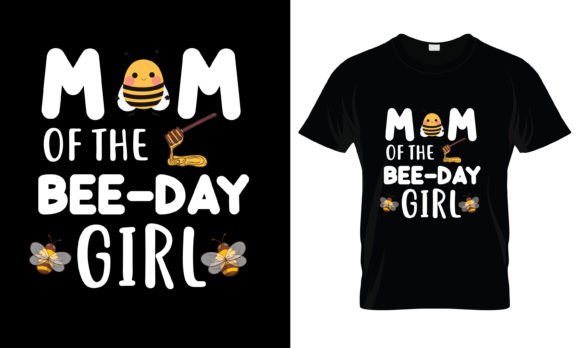
Mom of the Bee Day Girl T-Shirt: A Designer Review
As an embroidery digitizer and product reviewer, I approach every new graphic with a specific question: will this actually stitch out cleanly on fabric? When evaluating the Mom of the Bee Day Girl T-Shirt design, my focus shifts immediately from the screen to the hoop. This isn't just a cute digital asset; it is a potential centerpiece for custom apparel, nursery decor, or boutique merchandise. The theme evokes warmth, nature, and maternal pride, but translating that sentiment into thread requires a critical eye toward line weight, negative space, and overall composition.
The provided files include SVG, EPS, and PNG formats at 4500×5400 pixels and 300 DPI. While these are high-resolution print templates and graphics, they serve as excellent foundational art for machine embroidery design. However, because this is originally a graphic file rather than a pre-digitized embroidery file, my review focuses on its viability as source art for creating a professional stitched product. Here is my practical assessment of using this bee-themed artwork in real-world production scenarios.
First Impressions and Visual Personality
Visually, the Mom of the Bee Day Girl T-Shirt design carries a distinctively sweet yet rustic mood. The interplay between the typography and the honey bee imagery suggests a vintage or cottage-core aesthetic. For an Etsy seller or handmade shop owner, this visual personality is gold. It communicates "handmade" and "thoughtful" instantly. The layout appears balanced enough to work as a central chest placement on a sweatshirt or a left-chest logo on a tee.
From a digitizing perspective, the shapes look promising. The bee elements likely offer opportunities for varied texture—perhaps a fill stitch for the wings and a satin stitch for the body stripes. The lettering, assuming it has adequate thickness, should convert well to column stitches. If the font is too thin, it would require modification to prevent needle breaks or tunneling. As a designer, I appreciate that the artwork feels organic rather than rigid, which aligns perfectly with current trends in personalized gifts and baby embroidery.
Real-World Application: Stitching a Custom Sweatshirt
To truly judge this design, I mentally placed it on a heather gray cotton-polyester blend sweatshirt intended for a spring craft fair. Sweatshirt embroidery presents unique challenges due to the fabric's loft and stretch. In this scenario, the Mom of the Bee Day Girl T-Shirt art needs to be robust. Thin running stitch outlines might get lost in the fleece texture, so I would recommend increasing the underlay and perhaps adding a knockdown stitch beneath the design area if the fabric is particularly nappy.
For a tote bag design, the application changes. Canvas is stable and forgiving, making it ideal for testing this artwork. I envision this design centered on a natural canvas bag with contrasting dark brown thread. The high contrast would make the bee details pop. Because tote bags are frequently washed and handled, stitch density becomes crucial. I would ensure the fill stitches have enough overlap to prevent gaps after laundering, while avoiding excessive density that could cause puckering on lighter-weight canvas.
If adapting this for baby clothes, scale is everything. Reducing the Mom of the Bee Day Girl T-Shirt design for a onesie means simplifying details. Tiny text or intricate wing veins may not register at a 3-inch width. In this case, I would isolate the bee element or simplify the phrase to maintain clarity. Baby embroidery demands soft backing and careful stabilizer selection to protect sensitive skin, so the back of the design must be as neat as the front.
Navigating Fabric Challenges and Hoop Limitations
Not every substrate is friendly to detailed graphics. When considering this design for caps or curved surfaces, caution is necessary. The horizontal span of the text combined with the vertical height of the bee illustration might exceed standard cap frame limits. Distortion on the curve can warp circular bee bodies into ovals. I would advise testing the aspect ratio specifically for headwear or resizing the elements to fit within a 2.5-inch height restriction common in hat embroidery.
Dark fabrics introduce another variable. If stitching this on navy or black, the yellow and gold threads associated with bees need sufficient opacity. A single pass of rayon thread often looks washed out against dark backgrounds. You may need to double up thread passes or use a white underlay base to make the colors vibrant. Additionally, check the licensing terms before selling finished products. While the graphics are high quality, confirming your rights to sell commercial embroidery items derived from these print templates protects your business integrity.
Elevating Product Value Through Technical Precision
The difference between a hobbyist project and a professional retail item lies in execution. Using the Mom of the Bee Day Girl T-Shirt artwork effectively can significantly boost perceived value. Customers trust sellers who demonstrate consistency. If you use this design across multiple products—matching aprons, tea towels, and shirts—ensure the thread colors remain identical. Brand consistency builds recognition.
Consider the presentation. Before listing any finished product, create printable mockups using the provided 300 DPI PNG. This allows customers to visualize the design without you having to stitch every variation. However, always pair digital mockups with at least one photo of the actual stitched sample. Buyers need to see how the satin stitch sheen interacts with light and how the design sits on real fabric texture. This transparency reduces returns and increases buyer engagement.
Essential Designer Notes for Success
Before loading this design into your machine or sending it to a contract embroiderer, run through this practical checklist:
- Test on Scrap Fabric First: Never stitch a new conversion directly onto a final garment. Use a similar weight scrap to check tension and registration.
- Verify Stabilizer Choice: Match the stabilizer to the fabric. Cutaway for knits and sweatshirts; tear-away for woven canvas; water-soluble topper for textured towels.
- Check Thread Color Contrast: Ensure the bee yellows and browns are distinct from the garment color. Low contrast kills detail visibility.
- Inspect Small Details: Zoom in on the digitized version. Are the antennae thick enough to stitch? Is the text legible at your target size?
- Review Stitch Density: Avoid bulletproof designs. If the area feels stiff, reduce density or increase stitch length to maintain fabric drape.
- Confirm Licensing: Double-check whether the license covers commercial sale of physical embroidered goods versus just digital print usage.
- Mockup in Black and White: Viewing the design in grayscale helps identify value separation issues that color might hide.
Final Thoughts for Makers and Sellers
The Mom of the Bee Day Girl T-Shirt concept offers versatile potential for creative entrepreneurs. Whether you are crafting a personalized gift for a new mother, stocking your shop with seasonal apiary-themed gear, or expanding your digital product catalog, this artwork provides a strong foundation. Its success ultimately depends on your technical adaptation. Treat the provided SVG and PNG files as blueprints, not final destinations. By applying professional digitizing standards and respecting the limitations of thread and fabric, you can transform these graphics into heirloom-quality embroidery that resonates with customers and stands up to real-life wear.