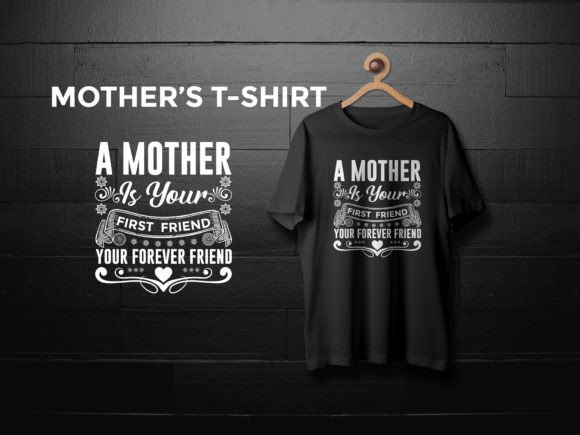
Mom T Shirt-58: A Designer’s Embroidery Review
First Impressions and Emotional Resonance
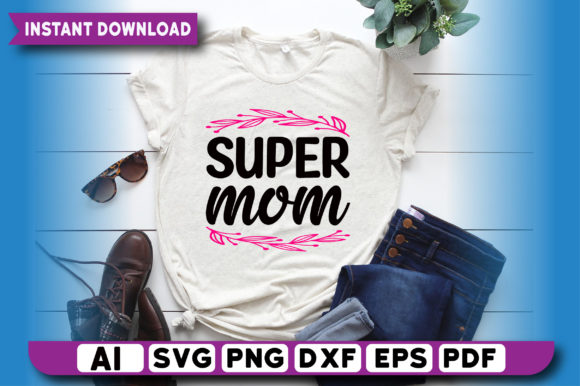
When evaluating a new machine embroidery design, my first question is always about emotional impact. Does this graphic communicate its message instantly, or does it require explanation? With Mom T Shirt-58, the visual hierarchy feels immediately balanced for Mother’s Day projects and year-round maternal appreciation gifts. As an experienced reviewer and apparel decorator, I look for designs that translate well from screen to fabric, and this layout possesses a clean readability that suggests it will stitch out clearly without becoming muddy on textured garments.
The mood of this design strikes a practical yet affectionate tone. It avoids overly cursive, illegible scripts that often plague custom apparel markets. Instead, it offers a structured aesthetic that feels modern and approachable. For an Etsy seller or small shop owner, this matters significantly. Customers buying personalized gifts want legibility and warmth. When I loaded the file to assess its potential as a finished product, the spacing appeared intentional, suggesting the digitizer considered how thread lays down on knit fabrics versus woven cottons.
Real-World Application: Stitching a Custom Sweatshirt
To truly judge Mom T Shirt-58, I mentally placed it in a specific production scenario: creating a premium crewneck sweatshirt for a boutique holiday collection. Sweatshirts are a staple for sweatshirt embroidery, but they present unique challenges due to fleece backing and stretchy French terry knits. In this real-life case study, the design needs to hold its shape without distorting when the wearer moves.
I envision using this embroidery file centered on the chest or as a smaller left-chest placement. The versatility mentioned in the product description—spanning sweaters, jumpers, and hoodies—is accurate, provided you adjust your stabilizer strategy. For a heavy hoodie, the design likely has enough substance to stand up to the thick fabric pile. However, if adapting this for a lightweight baby onesie or a delicate tea towel, I would recommend testing the stitch density first. A design optimized for heavy knits can sometimes perforate thin fabrics like batiste or voile. Always run a test stitch-out on scrap material that matches your final project's weight and texture before committing to a sellable item.
Navigating Fabric Textures and Stabilizer Choices
A critical aspect of reviewing any digital embroidery file is understanding where it might fail. Mom T Shirt-58 appears robust, but every design has limitations based on substrate. Here is my professional assessment of where to exercise caution:
- Stretchy Knits: If stitching on ribbed cuffs or highly elastic spandex blends, use a cut-away stabilizer rather than tear-away to prevent puckering around the lettering or motifs.
- Textured Towels: For kitchen towels or terry cloth, utilize a water-soluble topping. This ensures the stitches remain visible above the pile rather than sinking into the loops, which preserves the design's clarity.
- Dark Fabrics: Check your thread color contrast. While the design works for dark backgrounds, ensure the fill areas are dense enough to prevent the fabric color from showing through the stitches, which can make the graphic look washed out.
- Curved Surfaces: If attempting this on a cap or curved tote bag panel, verify the hoop size compatibility. Flat designs can distort on cylindrical hoops unless specifically digitized for 3D puff or cap frames.
Understanding these variables separates hobbyist results from professional commercial embroidery standards. Your customers trust that the item will wash well and maintain its integrity; proper stabilization is the invisible foundation of that trust.
Commercial Viability for Makers and Sellers
For creative entrepreneurs managing a craft business, time is money. Mom T Shirt-58 serves as a reliable asset because of its cross-category utility. It is not limited to apparel; the inclusion of formats suitable for mugs, pillows, and stickers expands your potential inventory without requiring additional design purchases. This adaptability is crucial for maximizing ROI on design assets.
However, a word of caution regarding the provided formats: The listing specifies DXF and EP files. While DXF is widely compatible with many commercial and home machines, and EP is standard for certain brands, always confirm your specific machine reads these extensions before purchasing. Some software requires conversion to PES, DST, or JEF. As a responsible seller, I advise checking your machine’s manual or running a conversion test via your embroidery software to ensure seamless workflow integration.
From a marketing perspective, this design supports strong printable mockup creation. Because the lines are distinct, it photographs well for social media listings. Clear photography builds buyer engagement and reduces return rates caused by unmet expectations. When listing this as part of a handmade product line, emphasize the quality of the stitch-out in your photos. Show close-ups of the satin stitch edges and fill areas to demonstrate professionalism.
Technical Considerations and Quality Control
Even with a high-quality embroidery project file, the operator’s skill dictates the final outcome. Before adding Mom T Shirt-58 to your permanent library, conduct a thorough audit:
- Verify Licensing: Confirm whether your purchase includes commercial rights for selling finished physical products versus digital redistribution. Never assume; always read the specific license terms attached to the download.
- Thread Color Mapping: Review the color change sequence. Efficient color changes reduce production time. If the design uses excessive jumps or trims, consider editing it in your software to optimize the stitch path for faster turnaround.
- Size Scaling Limits: Test resizing boundaries. Enlarging a design too much can create sparse fills, while shrinking it excessively can cause thread breaks or registration issues. Find the safe scaling range for this specific artwork.
- Wash Testing: If producing items for frequent laundering like baby bibs or aprons, wash your test sample three times. Inspect for loose threads, shrinkage distortion, or stabilizer residue. Durability defines brand reputation.
These steps transform a simple graphics file into a dependable production tool. Whether you are creating a personalized gift for a client or stocking your own boutique shelves, rigorous testing prevents costly mistakes.
Elevating Product Value Through Intentional Design
Ultimately, Mom T Shirt-58 succeeds because it respects the medium. Embroidery is tactile; it has depth, sheen, and shadow that flat print cannot replicate. This design leverages those qualities through thoughtful composition. For makers seeking to elevate their perceived value, focus on presentation. Pair this design with high-quality blanks and complementary thread colors that enhance rather than compete with the garment.
Consider offering tiered pricing based on customization. The base design serves as an excellent anchor, while adding personalized names or dates justifies premium pricing. This strategy works exceptionally well for Mother’s Day rushes where buyers seek uniqueness alongside speed. By treating this applique design or graphic element as a flexible component rather than a static image, you unlock greater creative and financial potential.
In conclusion, Mom T Shirt-58 represents a solid investment for embroiderers who prioritize versatility and clarity. It bridges the gap between sentimental appeal and technical execution, making it suitable for both heartfelt personal projects and scalable commercial ventures. Just remember: the file is only the blueprint. Your expertise in stabilization, hooping, and finishing brings the design to life. Approach each stitch with intention, and your finished products will reflect the care that mothers—and customers—truly appreciate.