Leopard Mom: A Designer’s Review for Real Projects
When evaluating digital assets for a craft business or personal studio, the transition from screen to physical product is where the real test lies. As a designer who regularly reviews graphics for production viability, I approached Leopard Mom with a critical eye toward its utility in actual embroidery and sublimation workflows. This isn't just another cute graphic; it is a specific intersection of trending aesthetics—leopard print and sunflowers—that targets a very distinct demographic. For Etsy sellers, apparel decorators, and makers, understanding how this illustration translates into a finished product is essential for maintaining quality and customer satisfaction.
First Impressions and Visual Personality
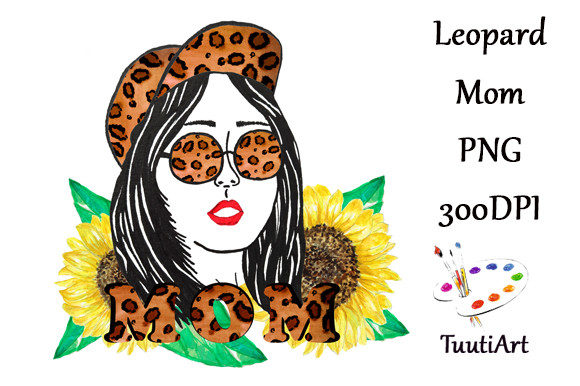
My initial assessment of Leopard Mom focuses on its visual hierarchy and mood. The combination of bold leopard spots with the organic, softer shapes of sunflowers creates a balanced tension that appeals to modern mothers and fashion-forward crafters. Unlike generic clip art, this graphic possesses enough structural integrity to serve as a standalone centerpiece on custom apparel or home decor. The layout feels intentional rather than cluttered, which is a crucial factor when converting raster graphics into stitch files or sublimation transfers.
For those working in Illustrations and Graphics, the color palette suggests warmth and vibrancy. However, as an embroiderer, I immediately look at contrast. Does the design rely too heavily on shading that might get lost in thread? Fortunately, the high-contrast nature of leopard patterns generally digitizes well because the distinction between the spots and the background fur allows for clear definition in both satin stitch and fill stitch applications. The sunflower elements add necessary color breaks, preventing the design from looking too heavy or monochromatic on fabric.
Real-World Application: The Sweatshirt Test
To truly judge Leopard Mom, I mentally placed it in a current production scenario: creating a premium crewneck sweatshirt for a boutique holiday collection. Sweatshirt fleece is textured and can sometimes obscure fine details, so clarity is paramount. In this context, Leopard Mom performs exceptionally well as a center chest placement. The scale of the illustration allows for readable features even when viewed from a conversational distance.
If you are adapting this as a machine embroidery design, consider using a mix of techniques. The leopard areas could be rendered with a textured fill stitch to mimic fur without excessive density, while the sunflower petals might benefit from a lighter running stitch outline or a smooth satin stitch border to make them pop against the fleece. For sublimation users, this PNG format is ideal for polyester-blend sweatshirts, as the intricate details of the illustration will transfer crisply without the texture limitations of thread. This versatility makes it a valuable asset for shops offering both embroidered and printed custom apparel.
Navigating Fabric Limitations and Hoop Sizes
While Leopard Mom is versatile, it demands respect for fabric physics. I would advise caution when applying this design to highly stretchy fabrics like ribbed knits or thin jersey without proper stabilization. The density required to replicate the leopard pattern effectively can cause puckering if the stabilizer choice is inadequate. Always use a cut-away stabilizer for stretchy garments to maintain the integrity of the graphic after washing.
Hoop size selection is another critical variable. This illustration likely requires a medium to large hoop to preserve the relationship between the leopard motif and the sunflower accents. Compressing Leopard Mom into a small 4x4 hoop might force you to simplify details to the point where the design loses its character. If you must use a smaller hoop for items like baby embroidery or caps, consider isolating just the sunflower cluster or cropping to a portrait-style headshot of the leopard mom. Never sacrifice legibility for the sake of fitting a design into an undersized hoop; it devalues the handmade product.
Textured fabrics like terry cloth towels or canvas tote bags present their own challenges. For tea towels, the loops can swallow fine lines. Using a water-soluble topping is non-negotiable here to ensure the leopard spots remain distinct. On a tote bag design, the sturdy canvas provides an excellent foundation, but ensure your needle is sharp enough to penetrate the weave cleanly without damaging the printed or stitched image.
Commercial Viability and Customer Perception
For small shop products and Etsy listings, Leopard Mom hits a sweet spot in marketability. It bridges the gap between trendy animal prints and classic floral motifs, making it suitable for year-round sales rather than just seasonal spikes. When creating printable mockups for digital product previews, ensure you display the design on varied backgrounds. Show it on a dark charcoal sweatshirt and a cream-colored pillow cover to demonstrate its adaptability to potential buyers.
Customer trust is built on consistency. If you sell this as part of a commercial embroidery project or a finished personalized gift, the execution must match the digital promise. A muddy, poorly registered stitch-out damages brand reputation faster than anything else. Because Leopard Mom has distinct edges and color zones, it serves as a good benchmark for your machine's tension and alignment. If the design stitches out cleanly, it signals professionalism to your client base.
Essential Designer Notes for Production
Before committing Leopard Mom to a final product, adhere to these practical checkpoints to ensure success:
- Verify Licensing: Since this is a digital graphic intended for various uses, confirm whether your purchase includes commercial rights for selling finished physical goods versus selling the digital embroidery file itself. These licenses often differ.
- Test Stitch Density: Run a test sew-out on scrap fabric identical to your final project. Check if the leopard spots are too dense for the material. Adjust pull compensation if gaps appear between the spots and the sunflowers.
- Thread Color Matching: Leopard print relies on specific tan, brown, and black tones. Compare your thread chart against the PNG under natural lighting. Subtle variations in brown can change the design from realistic to cartoonish.
- Stabilizer Strategy: For knit fabrics, use two layers of medium-weight cut-away. For woven fabrics like quilting cotton or towel, a tear-away may suffice, but always prioritize stability over ease of removal.
- Detail Inspection: Zoom in on the digital file before digitizing. If the sunflower centers have tiny details smaller than 1mm, they may not stitch well. Simplify these areas to a french knot or a small circle of satin stitch to prevent thread breaks.
- Mockup Validation: Create black and white mockups to test value contrast. If the design looks flat in grayscale, it will likely look flat in thread. Adjust color values in your embroidery software to enhance depth.
Final Thoughts on Versatility
Leopard Mom represents a strong contender for makers looking to expand their catalog with emotionally resonant, aesthetically pleasing graphics. Whether utilized as a sublimation transfer for mugs and tumblers or digitized into a complex applique design for nursery decor, its success depends entirely on technical mindfulness. By respecting the interplay between the digital illustration and the physical constraints of embroidery, you transform a simple PNG into a high-value asset. Remember that every fabric tells a different story; let your testing process guide how Leopard Mom narrates that story through thread and ink. Practical preparation is what separates a hobbyist attempt from a professional-grade handmade product that customers are proud to wear and display.