Dog Mom Labrador Design: An Embroidery Review
As a professional embroidery designer and product reviewer, I approach every new graphic asset with a specific question: will this actually stitch out well on real fabric? When evaluating the Dog, Dog Mom, Labrador Retriever design package, my focus shifts immediately from digital aesthetics to physical application. This collection arrives as a zip archive containing SVG, DXF, EPS, and PNG formats. While these are primarily vector illustrations and graphics, their true value for makers lies in their potential as a foundation for custom apparel and personalized gifts. Before you load this into your digitizing software or send it to a vinyl cutter, here is my practical assessment of how this artwork translates into tangible handmade products.
First Impressions and Visual Personality
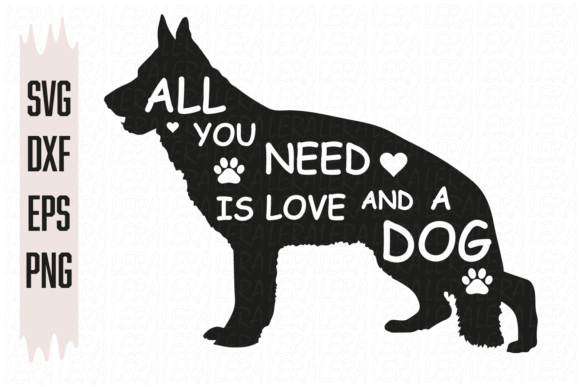
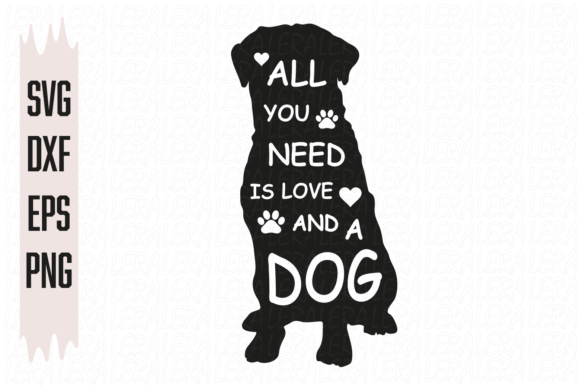
The initial mood of this Labrador Retriever illustration is undeniably warm and relatable. It captures that specific "dog mom" sentiment without feeling overly cloying or generic. From a design perspective, the lines appear clean and intentional, which is the first green flag for embroidery adaptation. The visual personality strikes a balance between playful and polished, making it suitable for both adult custom apparel and nursery decor. Unlike complex photographic references that require excessive detail, this graphic style suggests clear color blocks and defined shapes. This is crucial because successful machine embroidery relies on distinct separation between fill stitch areas and satin stitch borders. The layout feels centered and balanced, implying it will sit well on standard hoop sizes without requiring extensive repositioning or distortion during the digitizing process.
Real-World Application: The Sweatshirt Test
To truly judge this asset, I mentally placed it in a real-life production scenario: creating a premium crewneck sweatshirt for an Etsy shop targeting dog owners. In this context, the Dog, Dog Mom, Labrador Retriever graphic serves as the centerpiece. For a sweatshirt project, the fleece fabric texture adds loft, meaning the design needs enough presence to stand out against the fuzzy surface. Because this file is provided in vector formats like SVG and EPS, it offers the scalability needed for chest placement on adult garments. I envision this working beautifully as a large center-chest motif or a smaller left-chest logo paired with text.
However, translating this illustration into a finished product requires strategic digitizing. If I were stitching this out today, I would likely treat the main body of the Labrador as a fill stitch area with a light density to prevent the heavy sweatshirt fabric from becoming stiff or bulletproof. The outline would benefit from a sturdy satin stitch or a bean stitch to ensure definition against the fleece. For small business owners, this versatility is key. The same source file could be scaled down for a baby onesie or scaled up for a tote bag design, maximizing the return on investment for your design assets.
Navigating Fabric Limitations and Hoop Sizes
While the artwork is versatile, not every application is safe. As an experienced reviewer, I must highlight where caution is necessary. Detailed corners and tiny lettering often present in "Dog Mom" typography can become muddy on textured fabrics like terry cloth tea towels or pique polo shirts. If the original illustration includes fine line work or intricate facial features, these may need to be simplified before becoming a digital embroidery file. A running stitch might get lost in the weave of a kitchen towel, whereas a bolder column stitch would maintain clarity.
Furthermore, consider your hoop size limitations. If you are working with a 4x4 hoop, you may need to separate the dog element from the text to maintain legibility. Stretchy fabrics, such as performance wear or thin jersey knits, demand careful stabilizer selection. Using a cut-away stabilizer is non-negotiable here to prevent the Labrador shape from distorting after washing. Dark fabrics also present a challenge; if the design relies on subtle shading in the PNG version, remember that thread does not blend like ink. You will need to rely on solid thread colors and strategic layering rather than gradients to convey depth on black or navy garments.
Impact on Product Value and Customer Trust
In the competitive landscape of Etsy sellers and craft fair vendors, presentation dictates price. A clean, professional stitch-out signals quality. When a customer sees a Dog, Dog Mom, Labrador Retriever embroidered patch or pillow cover, they are judging the precision of the edges and the harmony of the thread colors. Using high-quality source graphics like this one reduces the risk of jagged edges or awkward proportions that plague amateur designs. This directly influences buyer engagement and trust.
Beyond the physical item, these files support your marketing. The included PNG format is excellent for creating printable mockups or digital product previews before you even thread a needle. Showing a realistic digital rendering alongside photos of the actual stitched sample helps manage customer expectations. For commercial embroidery businesses, maintaining brand consistency across different mediums—from business cards to branded aprons—is easier when starting with a unified set of vector graphics. This cohesion elevates the perceived value of your handmade products and reinforces your boutique branding.
Critical Designer Notes for Success
Before you commit this design to fabric or list it as a finished product, adhere to these practical guidelines derived from professional experience:
- Verify Licensing Terms: The product description mentions files for invitations and parties, but does not explicitly state commercial embroidery rights. Always confirm whether you can sell finished items or digital embroidery files created from this source before listing them in your shop.
- Test Stitch on Scrap Fabric: Never run a new design on a final garment first. Test the stitch density and coverage on a scrap piece of the exact fabric you intend to use. Adjust pull compensation if the Labrador shape shrinks or gaps appear.
- Check Thread Color Contrast: Review your palette against the fabric background. A golden Labrador on beige fabric requires a darker outline or shadow effect to remain visible. Use the PNG reference as a guide, but adapt colors for thread availability and visibility.
- Evaluate Small Details: Zoom in on the SVG or EPS file. If there are elements thinner than 1mm, they may not register as satin stitches. Simplify these areas into running stitches or remove them entirely to ensure a clean stitch-out.
- Mockup in Black and White: Viewing the design in grayscale helps identify contrast issues independent of color. If the dog blends into the background in black and white, it will lack definition in tone-on-tone embroidery.
- Stabilizer Selection: Match your backing to the fabric weight. Use tear-away for stable woven cottons and cut-away for stretchy knits or fleece. For caps or curved surfaces, specialized cap backing is essential to prevent registration errors.
- File Extraction: Remember that the files come in a zip archive. Ensure you extract all formats correctly and organize them in your asset library. Keep the original vectors safe for future resizing or modification.
Final Thoughts for Makers and Sellers
The Dog, Dog Mom, Labrador Retriever collection offers a strong starting point for creative entrepreneurs. Its clean aesthetic and emotional resonance make it a natural fit for the pet lover niche. However, the transition from digital illustration to embroidered reality requires technical diligence. By respecting fabric limitations, verifying usage rights, and testing thoroughly, you can transform these graphics into high-value merchandise that delights customers. Whether you are crafting a holiday gift, stocking your online store with custom apparel, or designing a unique baby embroidery keepsake, let practical judgment guide your creative process. The best products are born where artistic vision meets technical execution.