Cute Rabbit Clip Art for Embroidery Projects
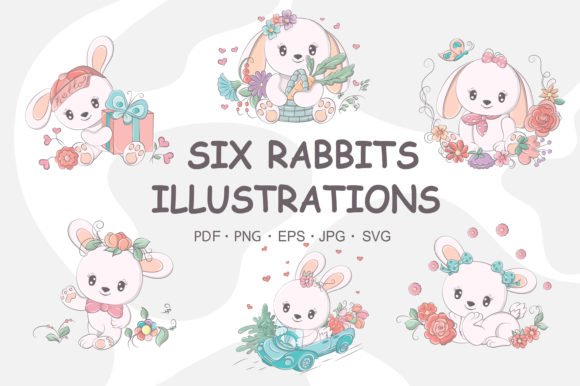
When evaluating digital assets for machine embroidery, the transition from screen to stitch is where the real test begins. As a designer who regularly creates custom apparel and baby products, I approach every new graphic collection with a critical eye toward production viability. The Сlip Art Funny Animals Cute Rabbits set immediately caught my attention not just for its aesthetic charm, but for its potential application in high-volume commercial embroidery and personalized gifts. While these are technically categorized as Illustrations and Graphics, their true value lies in how effectively they translate into tangible, stitched goods for children’s parties and nursery decor.
First Impressions: Cartoon Charm Meets Production Reality
My initial assessment of this set focused on the visual personality of the six separate rabbit designs. In the world of baby embroidery and children's merchandise, capturing a specific mood is essential. These illustrations possess a softness that avoids being overly juvenile, making them suitable for both toddler apparel and more sophisticated nursery items. The cartoon style is distinct without being chaotic, which is a crucial factor when converting raster graphics into embroidery files. Clean lines and defined color blocks in the source art usually predict a smoother digitizing process. When I look at these rabbits, I see immediate potential for sweatshirt embroidery and tote bag designs that require a friendly, approachable aesthetic to drive buyer engagement on platforms like Etsy.
Real-World Application: Stitching for a Custom Tote Bag
To truly judge the utility of Сlip Art Funny Animals Cute Rabbits, I mentally walked through a recent client project involving canvas tote bags for a spring birthday party. Canvas is a textured fabric that can sometimes swallow fine details, so design clarity is paramount. Because each animal in this set is saved in a separate file, it offers immense flexibility for batch production. For this hypothetical tote bag project, I would likely utilize an applique design technique rather than a full fill stitch. This reduces stitch density significantly, keeping the bag lightweight and preventing the fabric from puckering.
The colorful nature of these images suggests they would work beautifully as embroidered patches if the end user wants versatility. However, for direct-to-garment stitching on a tote, the shapes appear balanced enough to serve as a central focal point. If I were selling this finished product in my handmade shop, the whimsical expression of the rabbits adds that necessary emotional hook that turns a simple utility item into a cherished personalized gift. The key here is ensuring the digitized version maintains the integrity of the original illustration while accounting for the pull compensation needed on canvas material.
Navigating Fabric Challenges and Technical Constraints
While the visual appeal is strong, practical execution requires caution. Not every fabric behaves the same way, and cute graphics can quickly look messy if technical parameters aren't respected. Here are specific considerations for using these rabbit graphics in real projects:
- Stretchy Fabrics: If applying these designs to baby onesies or knit t-shirts, you must use appropriate stabilizer. The cartoon style likely involves curves that can distort on stretchy material if the underlay isn't sufficient.
- Small Hoop Sizes: Before committing to a 4x4 hoop size, verify the detail level. Intricate facial features in small formats often result in thread breaks or muddy stitching. You may need to simplify the design or increase the physical size.
- Dark vs. Light Backgrounds: Since these are colorful images, check thread color contrast against dark fabrics. A white outline or border might be necessary to make the rabbits pop on navy or black sweatshirts.
- Frequent Washing: Baby products and kitchen towels endure harsh laundering. Ensure your satin stitch borders are secure and avoid excessively long running stitches that could snag.
I always advise testing on scrap fabric first. A printable mockup helps visualize placement, but only a physical stitch-out confirms whether the stitch density is appropriate for the chosen textile. This step is non-negotiable for maintaining professionalism and customer trust.
Commercial Viability for Makers and Sellers
For Etsy sellers and small business owners, time is money. Having six distinct animals in separate files streamlines the workflow for creating varied product listings without purchasing multiple design packs. This variety allows for cohesive branding across different items; you could feature one rabbit on a bib, another on a matching blanket, and a third on a nursery pillow cover. This cross-selling potential is vital for boutique branding.
However, licensing is the elephant in the room. Before listing any finished product or digital embroidery file derived from these Graphics, you must confirm the commercial usage rights. Does the license allow for mass production? Can you sell the digitized files themselves, or only the physical embroidered items? Clarifying this protects your craft business from legal issues. Assuming the rights are secured, these designs offer excellent value for holiday embroidery seasons, particularly Easter, where rabbit motifs see peak demand.
Designer Notes for Optimal Results
Based on my experience reviewing similar assets, here is my practical checklist for integrating Сlip Art Funny Animals Cute Rabbits into your production line:
- Verify File Integrity: Since specific file formats and stitch counts aren't listed in the product description, open each file in your embroidery software before purchasing or digitizing to ensure compatibility with your machine.
- Assess Detail Scale: Zoom in to 100%. If the eyes or whiskers are thinner than 1mm, they may need to be redrawn as satin stitches or removed entirely for smaller sizes.
- Color Matching: Create a thread conversion chart immediately. "Colorful" is subjective; having a standardized palette ensures brand consistency across all six animals.
- Mockup Testing: Use black and white mockups to test value contrast. If the design looks flat in grayscale, it will lack depth when stitched.
- Stabilizer Selection: Match the stabilizer weight to the fabric texture. Lightweight tear-away for woven cotton, cut-away for knits, and water-soluble toppings for high-pile fabrics like fleece.
Elevating the Finished Product
Ultimately, the success of Сlip Art Funny Animals Cute Rabbits depends on the maker's technical skill and attention to detail. These illustrations provide a fantastic foundation for creative entrepreneurs looking to expand their inventory with high-quality, emotionally resonant designs. Whether you are creating a custom apparel line for a local boutique or fulfilling orders for personalized baby gifts, the versatility of having six separate, stylistically consistent animals is a significant asset.
Remember that customers buy the feeling, not just the thread. By treating these graphics as professional design assets rather than simple clip art, and by rigorously testing their performance on your specific equipment and materials, you transform digital pixels into premium handmade products. Always prioritize the tactile quality of the final stitch-out over the speed of production. In the competitive landscape of machine embroidery design, it is this dedication to quality that builds lasting recognition and buyer loyalty. Check your licenses, test your tensions, and let these charming rabbits bring joy to your next embroidery project.