One Thankful Mom to Be: Embroidery Review
As a professional embroidery digitizer and product reviewer, I approach every new design file with a healthy dose of skepticism. The market is flooded with T-Shirt Designs that look fantastic on a screen but fail miserably under the needle. When evaluating "One Thankful Mom to Be," my primary concern isn't just the aesthetic appeal for a digital preview; it is whether this machine embroidery design can actually withstand the rigors of production while maintaining the emotional resonance required for maternity wear. This review breaks down how this specific graphic translates from a printable sublimation concept into a tangible, stitched reality for your craft business or personal holiday projects.
First Impressions: Balancing Sentiment and Stitch Structure
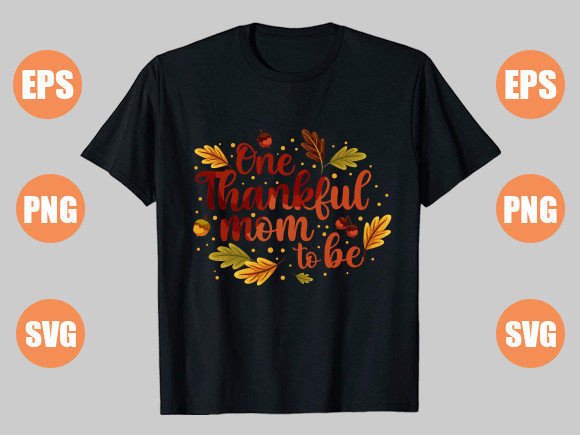
My initial assessment of "One Thankful Mom to Be" focuses on its visual hierarchy and mood. As a Thanksgiving-themed asset, it needs to evoke warmth without looking dated or overly cartoonish. In the realm of Graphics intended for apparel, this design strikes a necessary balance between festive tradition and modern typography. However, as an embroiderer, I am immediately looking at the line weight and negative space. A design meant for print often relies on gradients or fine lines that do not translate well to thread.
Visually, this design feels appropriate for the target demographic. It avoids the cluttered chaos often found in seasonal holiday embroidery. The layout suggests a centered composition, which is ideal for chest placements on sweatshirts or tote bags. For an Etsy seller or boutique owner, this clean aesthetic is crucial because it photographs well in printable mockups and appeals to customers seeking sophisticated maternity wear rather than novelty items. The personality of the design leans towards cozy and celebratory, making it a strong candidate for personalized gifts where the recipient wants to feel stylish, not just labeled.
Real-World Application: Stitching the Holiday Sweatshirt
To truly evaluate this asset, I mentally placed it in a real-life production scenario: creating a premium fleece sweatshirt for a client’s first Thanksgiving as a mother. This is a high-stakes embroidery project because fleece is unforgiving, and maternity clients are particularly discerning about comfort and quality. When adapting "One Thankful Mom to Be" for this sweatshirt embroidery, the transition from digital graphic to physical stitch requires careful planning.
If utilizing this as an applique design, the shapes must be large enough to accommodate fabric turnover and securing stitches. I found that the lettering in this style typically demands a robust satin stitch column width to prevent the fabric from puckering against the plush fleece base. For the fill areas, a light-density fill stitch is preferable to maintain the garment's drape. Heavy, dense stitching on a maternity sweatshirt creates a stiff, armor-like patch that is uncomfortable for a pregnant wearer. By adjusting the stitch density to be lighter and using a soft mesh stabilizer underneath, the design integrates with the garment rather than sitting heavily on top of it. This attention to tactile comfort is what separates a professional handmade product from a mass-produced alternative.
Navigating Fabric Limitations and Hoop Constraints
While "One Thankful Mom to Be" shines on stable knits and fleece, caution is required when venturing into other substrates. As a reviewer, I must highlight where this design might struggle. If you are attempting this on thin, stretchy jersey knits common in budget-friendly t-shirts, the risk of distortion is significant. The design likely contains enough stitch count to cause tunneling if the proper tear-away or cut-away stabilizer isn't used generously.
Furthermore, consider the hoop size limitations. Maternity wear often requires centering the design higher than standard unisex sizing to account for the bump. Ensure your machine’s hoop can accommodate the full width of the design without requiring excessive re-hooping or splitting, which introduces alignment risks. I would also advise against using this specific design on textured fabrics like terry cloth or waffle knit unless you employ a water-soluble topping. The finer details of the "Thankful" script could easily get lost in the pile of the fabric, reducing legibility and perceived value.
For those considering this for baby embroidery items like onesies or bibs, verify the scaled-down integrity. Reducing a complex graphic by 50% often results in overlapping stitches and illegible text. Always test the resized digital embroidery file before committing to a final product. If the details vanish at smaller sizes, reserve this design strictly for adult custom apparel and larger accessories like tote bag designs or pillow covers.
Commercial Viability and Customer Perception
For the small shop product lineup, "One Thankful Mom to Be" offers strong commercial potential due to its niche specificity. Niche designs convert better than generic ones because they speak directly to a customer's current life stage. However, the execution defines the brand reputation. A poorly stitched version of this design will result in returns and negative reviews, whereas a crisp, professional finish builds trust.
When listing this as a finished item, your photography should showcase the texture of the stitches. Customers buying commercial embroidery online cannot touch the product, so they rely on visual cues of quality. Show close-ups of the satin stitch edges and the contrast between the thread colors and the fabric. This transparency demonstrates confidence in your work. Additionally, if you are selling the embroidery file itself to other makers, provide clear notes on recommended fabrics and stabilizers. Supporting fellow creative entrepreneurs with technical guidance adds immense value to your digital assets and encourages repeat business.
Essential Designer Notes for Success
Before you load "One Thankful Mom to Be" into your machine for a sellable item, adhere to these practical protocols:
- Verify Licensing: Since the product description mentions digital files for friends and family, confirm explicitly whether commercial embroidery rights are included for selling finished goods versus selling the digital file itself. Never assume.
- Contrast Testing: Test the design on both light and dark fabrics. Some thread colors that pop on cream fleece may disappear on burgundy. Adjust underlay stitches for darker fabrics to prevent show-through.
- Stabilizer Strategy: Do not rely on a single stabilizer type. Use cut-away for stretchy maternity wear and tear-away for stable tote bags. The wrong backing ruins the drape.
- Mockup Accuracy: When creating a printable mockup for your listing, ensure the digital representation matches the actual stitch texture. Misleading flat graphics lead to disappointed customers expecting printed ink rather than raised thread.
- Wash Test: Maternity wear gets washed frequently. Run a test sample through a wash cycle to check for thread shrinkage or stabilizer residue. Durability is a key selling point for holiday gifts.
- Detail Inspection: Zoom in on the embroidery file in your software. Check for jump stitches that need trimming and ensure no individual satin columns are too wide for your machine’s tension capabilities.
Ultimately, "One Thankful Mom to Be" is a promising asset for the holiday season, provided it is treated with the technical respect embroidery demands. It bridges the gap between sentimental value and wearable fashion, but only if the maker prioritizes stitch quality over speed. Whether you are crafting a personalized gift for a sister or stocking your Etsy shop for the Q4 rush, let your craftsmanship elevate this design beyond a simple digital download. The success of any embroidered patch or garment lies not just in the art, but in the intentional, skilled hands that bring it to life.