Mom Logo and T-Shirt Design: An Embroidery Review
As a professional designer who spends more time behind an embroidery machine than a computer screen, I approach every new graphic asset with a healthy dose of skepticism. When evaluating the Mom Logo and T-Shirt Design, my primary concern isn't just how it looks on a monitor, but how it translates into physical thread. This review breaks down the practical realities of using this digital asset for real-world production, specifically focusing on its viability for handmade products and commercial embroidery projects.
First Impressions and Visual Hierarchy
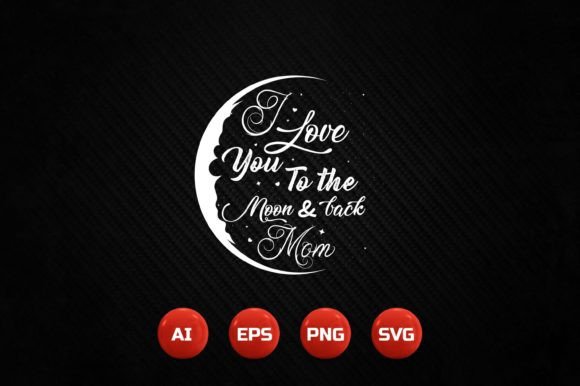
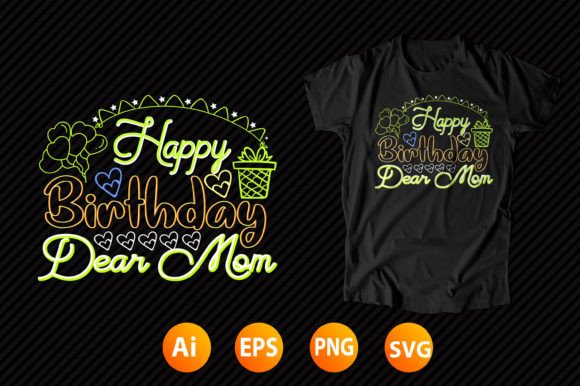
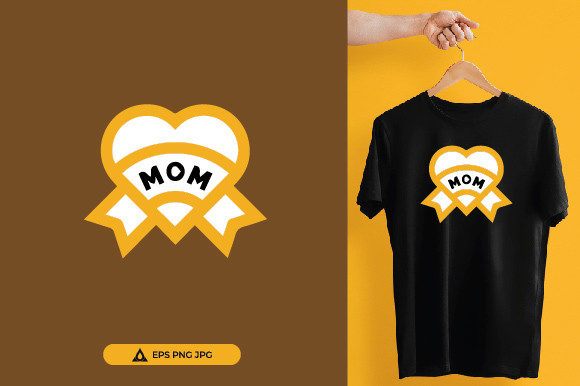
Upon extracting the ZIP file and opening the assets, the immediate strength of this design lies in its clarity. The provided PNG at 4500×5400 pixels and 300 dpi offers a crisp reference point that is essential for digitizers. For those of us creating custom apparel or personalized gifts, the visual personality strikes a balance between modern typography and sentimental warmth. It avoids the overly ornate script that often causes registration issues during stitching, opting instead for clean lines that suggest excellent stitch definition.
The inclusion of EPS and SVG files is particularly valuable for embroidery designers. These vector formats allow us to scale the artwork without losing edge integrity, which is critical when adapting a single mom logo for vastly different applications—from a small embroidered patch to a large sweatshirt embroidery placement. The PSD file further allows for color separation adjustments before we even open our digitizing software, ensuring the thread colors match our intended palette perfectly.
Real-World Application: The Custom Tote Bag Test
To truly evaluate this design, I mentally mapped it onto a recent client project: a series of canvas tote bags intended as Mother’s Day gifts for a local boutique. In this scenario, the Mom Logo and T-Shirt Design serves as the central focal point. Canvas is a textured fabric that can swallow fine details, so the boldness of this graphic is an asset. The layout provides enough negative space to prevent the design from feeling heavy or bulletproof, which is a common pitfall in machine embroidery design.
For this specific handmade product, I envision utilizing a combination of satin stitch for the lettering and fill stitch for any solid graphical elements. The design’s structure supports this hybrid approach well. If you are an Etsy seller or small shop owner, this versatility means you can use the same base artwork for a nursery pillow cover, a baby embroidery onesie, or a holiday gift apron simply by adjusting the size and stabilizer choice. The design feels native to these items rather than forced, which significantly enhances the perceived value of the finished product.
Navigating Fabric Challenges and Hoop Sizes
While the Mom Logo and T-Shirt Design is versatile, it requires strategic planning depending on your substrate. As graphics intended for T-shirt designs, they are naturally optimized for knit fabrics. However, knits are unstable. When stitching this on stretchy jersey or interlock, you must use appropriate stabilizer—likely a cut-away mesh—to prevent puckering. The design appears to have adequate spacing between elements, which helps reduce fabric distortion, but always test on scrap fabric first.
Crafters should exercise caution when resizing this design for small hoop sizes or detailed corners. While the high-resolution source files are excellent, reducing a logo too drastically can cause satin stitches to become too narrow or text to lose legibility. Conversely, enlarging it for a large blanket or jacket back requires checking stitch density to ensure the design doesn't become stiff. For curved surfaces like caps, the flat nature of this logo may require warping or specific cap-digitizing techniques to maintain visual accuracy. Always confirm your hoop size capabilities against the final desired dimensions before committing to a production run.
Commercial Viability for Creative Entrepreneurs
For digital product sellers and creative entrepreneurs, the technical specifications of this package are a major selling point. The 300 dpi resolution ensures that printable mockups look professional and trustworthy. When listing a custom apparel service or selling digital embroidery file conversions, customers need to see sharp previews. The high-quality PNG facilitates this, allowing you to create compelling marketing assets without pixelation.
Furthermore, the multi-format delivery respects the workflow of various makers. A vinyl crafter might only need the SVG for heat transfer, while an apparel decorator needs the EPS for screen printing references alongside their embroidery work. This cross-platform utility makes the Mom Logo and T-Shirt Design a robust asset for businesses offering mixed-media products. However, it is imperative to verify the licensing terms included in your download before selling finished items or distributing derivative digital products. Professionalism includes respecting intellectual property rights, which builds long-term customer trust and brand consistency.
Essential Designer Notes for Production Success
Before loading this design into your machine for a paid order, adhere to these practical checkpoints to ensure a premium finished product:
- Verify Stitch Data: Remember that EPS, SVG, PSD, and PNG are art files, not stitch files. You must digitize this design or hire a digitizer to create a machine-readable format (like DST or PES). Do not assume auto-digitizing will yield professional results for this specific logo.
- Contrast Testing: Test the design in black and white mockups and on both light and dark fabric backgrounds. A mom logo that pops on white cotton might disappear on navy fleece without proper contrast adjustments or outline stitching.
- Stabilizer Selection: Match your stabilizer to the fabric weight. Use tear-away for stable woven fabrics like tea towels, and cut-away for stretchy baby clothes or sweatshirts to maintain shape after washing.
- Detail Inspection: Zoom in on the vector points in Illustrator or CorelDRAW before digitizing. Smooth out any jagged nodes that could translate to erratic stitching paths.
- Washability Check: If creating items for frequent washing like kitchen towels or baby bibs, ensure your digitized version uses secure tie-offs and appropriate underlay to prevent fraying over time.
- Licensing Confirmation: Double-check whether your purchase includes commercial rights for physical products versus digital redistribution. This distinction is vital for Etsy sellers and craft business owners.
Elevating Handmade Presentation
Ultimately, the success of the Mom Logo and T-Shirt Design in an embroidery context depends on the maker's attention to detail. The clean aesthetic of the graphic provides a strong foundation, but it is your choice of thread colors, stabilizer, and placement that brings it to life. Whether you are producing a personalized gift for a single client or stocking a boutique with seasonal merchandise, this design offers the flexibility needed for modern embroidery businesses.
By treating this asset as a professional starting point rather than a plug-and-play solution, you ensure that every embroidered patch, tote bag, or custom apparel piece meets the high standards your customers expect. The result is a product that feels intentional, durable, and distinctly handmade, reinforcing the quality of your brand with every stitch.