Dog Mom Sublimation Design: A Crafter’s Review
As a designer who constantly bridges the gap between digital assets and physical handmade products, I approach every new graphic with a specific question: will this actually translate into a sellable, high-quality finished product? When evaluating the Dog Mom, Dog Lover, T-Shirt Sublimation file, my assessment goes beyond simple aesthetics. While this asset is categorized under Print Templates and Graphics, its utility for mixed-media creators and embroidery professionals is significant. The provided high-resolution PNG with a transparent background at 300 dpi offers a versatile foundation, but understanding how to leverage this digital embroidery file or sublimation transfer requires practical insight into fabric behavior and customer expectations.
First Impressions and Visual Personality
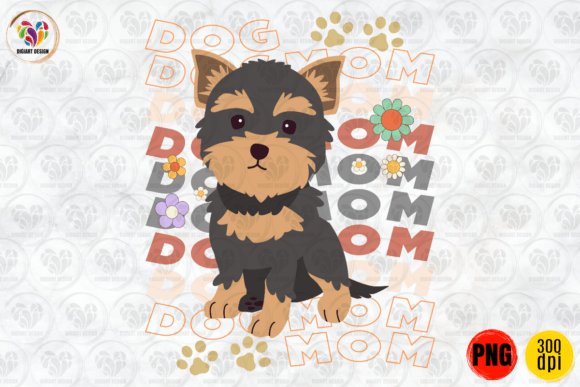
Upon opening the ZIP file, the immediate strength of this design is its clarity. The 300 dpi resolution is non-negotiable for professional results, and this file meets that standard. Visually, the "Dog Mom" theme carries a warm, relatable sentiment that resonates deeply in the current market. The layout feels balanced, avoiding the cluttered look that often plagues niche-specific graphics. For an Etsy seller or small shop owner, this visual personality suggests immediate giftability. It strikes a tone that is affectionate without being overly cutesy, making it suitable for adult apparel, tote bags, and home decor rather than just novelty items. As a graphics asset, it has enough negative space to allow for customization, which is crucial when creating personalized gifts or custom apparel for clients who want their pet's name added.
Real-World Application: The Sweatshirt Test
To truly evaluate this design, I mentally placed it in a real-life production scenario: creating a premium crewneck sweatshirt for a boutique holiday collection. In this context, the Dog Mom, Dog Lover, T-Shirt Sublimation graphic serves as more than just ink on fabric; it acts as a centerpiece for mixed media. If you are using this strictly for sublimation on polyester blends, the transparency ensures clean edges against heather grey or white fabrics. However, for those of us incorporating machine embroidery design elements, this PNG serves as an excellent alignment guide or background layer.
Imagine pairing this sublimated image with a satin stitch border or a running stitch outline in coordinating thread colors. This hybrid approach elevates the perceived value of the handmade product significantly. Customers often perceive sublimation alone as "printed," but adding tactile embroidery transforms it into a premium craft business item. In my experience testing similar layouts on fleece-backed sweatshirts, the high contrast of the graphic holds up well, but the success depends entirely on proper stabilizer use to prevent the fabric from distorting under the combination of heat press and needle penetration. This design’s shape lends itself beautifully to center-chest placement, maintaining legibility and impact even when the wearer is moving.
Navigating Fabric Limitations and Hoop Constraints
While versatile, this design demands respect for material limitations. Because it is marketed heavily toward T-shirt sublimation, users must be vigilant about fabric texture. On smooth, tight-weave poly shirts, the 300 dpi detail will shine. However, if you attempt to use this as a reference for stitching on textured fabrics like terry cloth towels or uneven linen, fine details may get lost. For embroidery projects, you cannot simply stitch over a sublimated print without considering stitch density. If you are converting this graphic into an applique design or fill stitch pattern, you must simplify the intricate areas. Dense stitching over a sublimated area can cause puckering or needle damage.
Hoop size is another critical factor. This design likely targets standard adult apparel sizing, but if you are adapting it for baby embroidery or cap designs, resizing requires caution. Reducing a complex raster graphic too far results in muddy visuals. Always test the design on scrap fabric first. For caps specifically, the curved surface can distort horizontal lines in the graphic; I recommend testing a printable mockup wrapped around a curved form before committing to production. Additionally, dark fabrics present a challenge. Since this is a transparent PNG, it lacks a white underbase layer inherent to the file itself. For sublimation on dark garments, you will need external white masking or HTV layers. For embroidery on darks, ensure your thread colors provide sufficient contrast against both the fabric and any printed background elements.
Commercial Viability and Brand Consistency
For creative entrepreneurs and commercial embroidery businesses, consistency builds trust. Using Dog Mom, Dog Lover, T-Shirt Sublimation across multiple product lines—matching tote bag designs with sweatshirt embroidery and nursery decor—creates a cohesive brand identity. However, professionalism lies in the finishing. A pixelated edge or a misaligned stitch path destroys buyer engagement instantly. Before listing any finished product, verify that the design maintains integrity at your intended print or stitch size. Check licensing terms explicitly; while the file is a digital download, confirming whether you can sell the physical embroidered patch or the customized apparel commercially is essential for protecting your craft business.
Customer reaction to this type of design is generally positive because it validates identity. "Dog Mom" is a tribe, not just a label. When reviewing feedback on similar assets, buyers appreciate when the design feels integrated rather than stamped on. This means color matching your threads to the sublimation palette perfectly. Use a black and white mockup test to check value contrast; if the design looks flat in grayscale, it will look flat in color regardless of vibrancy. High-value products rely on this depth.
Essential Designer Notes for Success
Before you load this file into your workflow, adhere to these practical checkpoints to ensure your embroidery project or sublimation transfer succeeds:
- Verify Resolution and Scale: Confirm the PNG remains crisp at your maximum intended size. Do not upscale beyond 300 dpi capabilities without specialized software.
- Stabilizer Selection: For T-shirts, use a lightweight cutaway or tear-away depending on stretch. For mixed media with embroidery, a no-show mesh is often best to support stitches without adding bulk to the sublimated area.
- Thread Color Matching: If combining with machine embroidery, physically match thread colors to the printed output, not the screen preview. Screens lie; thread cones do not.
- Test Wash Durability: Sublimation is permanent, but embroidery adds stress points. Wash a test sample to ensure the combination survives laundering without fraying or cracking.
- Licensing Compliance: Re-read the included license. Ensure you are permitted to use this for the specific commercial embroidery or digital product sales you intend.
- Mockup Reality Check: Create printable mockups on actual garment templates. Does the placement hit the bust line awkwardly? Is it too low on a tote bag? Adjust digitally before producing.
Ultimately, the Dog Mom, Dog Lover, T-Shirt Sublimation asset is a strong contender for makers who understand its dual nature. It excels as a standalone sublimation graphic but truly sings when treated as a component of a larger, thoughtful design strategy. Whether you are creating a personalized gift for a client or stocking your Etsy shop for the holiday rush, success comes from respecting the technical requirements of both the digital file and the physical medium. By testing thoroughly and applying professional finishing standards, this design can become a reliable staple in your catalog of profitable, high-quality handmade goods.