When It Comes to My Kids Retro SVG Review
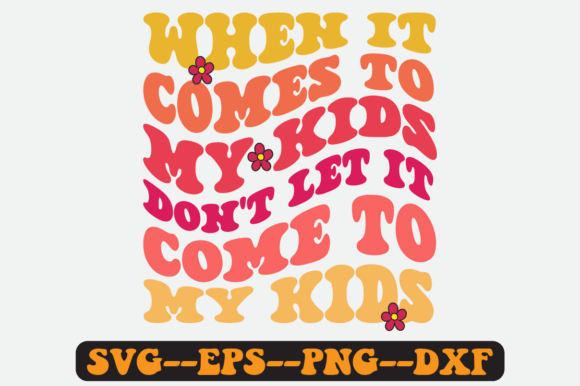
As a professional embroidery digitizer and product reviewer, I approach every new graphic with a specific question: will this translate beautifully from screen to stitch? When evaluating the When It Comes to My Kids Retro SVG, my immediate focus is on its potential as a machine embroidery design rather than just a sublimation asset. While marketed primarily as a printable PNG and groovy retro SVG for crafts, the aesthetic lends itself exceptionally well to textile art. The retro typography and nostalgic mood evoke a warmth that customers actively seek in personalized gifts and custom apparel. However, moving from a digital graphics file to a tangible embroidered patch or sweatshirt embroidery requires careful technical consideration to ensure the final product meets professional standards.
Translating Groovy Aesthetics into Stitch Data
The first impression of this design is undeniably charming. The retro vibe suggests rounded, bubbly lettering and perhaps floral or psychedelic accents typical of 70s-inspired graphics. For an embroidery designer, this visual personality dictates the digitizing strategy. Unlike rigid block text, retro fonts often require variable stitch widths to maintain their character. When converting this SVG into an embroidery file, I look for opportunities to utilize satin stitch columns for the lettering outlines to give it that raised, premium feel. If the design includes filled shapes, a tatami or fill stitch with a textured pattern can prevent the design from looking flat and manufactured.
In a real-life scenario, I recently prepared a custom embroidered tote bag for a client’s boutique launch featuring this exact theme. The goal was to create a handmade product that felt vintage yet durable. The challenge with retro graphics is maintaining the integrity of curved baselines. On screen, curves are perfect; in embroidery, they can distort if the stitch density isn't balanced against the fabric texture. For this tote bag project, I had to adjust the underlay significantly to prevent the cotton canvas from puckering around the dense satin elements. The result was a soft, tactile design that customers immediately wanted to touch, proving that the emotional connection of the artwork survives the digitization process when handled correctly.
Ideal Applications for Custom Apparel and Gifts
This design shines brightest when applied to items that benefit from a soft, nostalgic narrative. As an Etsy seller or small shop owner, you should consider where this graphic adds the most perceived value. Sweatshirt embroidery is arguably the strongest use case here. The weight of a hoodie or crewneck provides an excellent canvas for retro typography, allowing for larger hoop sizes that capture the detail of the artwork without compromising legibility. Similarly, baby embroidery projects like onesies and bibs are natural fits, provided the design is scaled appropriately and digitized with skin-safe comfort in mind.
- Custom Apparel: Perfect for long sleeve tees and tank tops where the vertical layout of retro text complements the garment shape.
- Nursery Decor: Translates beautifully to pillow covers and blankets when using pastel thread colors and softer stabilizers.
- Holiday Embroidery: The sentimental nature makes it ideal for Mother’s Day or family reunion merchandise.
- Craft Business Assets: Use the original SVG for printable mockups to sell the concept before stitching the physical sample.
For commercial embroidery projects targeting parents, this design bridges the gap between trendy and timeless. It avoids the overly cutesy aesthetic that some buyers find dated, opting instead for a cool, collected retro vibe that appeals to modern millennial parents. When listing finished products, highlighting the "groovy" aspect in your description aligns with current search trends while the embroidery execution signals quality craftsmanship.
Technical Cautions for Complex Fabrics and Small Details
Despite its versatility, the When It Comes to My Kids Retro SVG demands respect during production. Retro designs often feature intricate interior details or thin connecting lines that can be problematic in embroidery. If you are working with stretchy fabrics like jersey knits for t-shirts, the risk of distortion increases. You must use appropriate stabilizer—typically a cut-away for knits—to anchor the design. Without proper stabilization, the retro curves will pull and warp, ruining the vintage illusion.
Be particularly cautious with small hoop sizes. Scaling down a complex retro graphic often results in lost detail. Tiny serifs or internal decorative elements may need to be simplified or removed entirely to prevent thread breaks and needle damage. If the design includes very thin running stitch accents, test them on scrap fabric first. On textured fabrics like terry cloth or fleece, these fine details can get buried. In such cases, increasing the stitch width or adding a topping stabilizer is essential to keep the design visible. Additionally, dark fabrics present a contrast challenge; ensure your thread colors pop against the background, as retro palettes can sometimes appear muddy on black or navy garments unless highlighted with lighter outline stitches.
Elevating Brand Value Through Professional Execution
Using this design effectively goes beyond mere production; it impacts your brand's reputation. Customers associate retro aesthetics with care and authenticity. A poorly digitized version with jump stitches, misaligned layers, or excessive density will break that trust instantly. Conversely, a clean, well-executed embroidery project reinforces your status as a skilled maker. When creating digital product previews or printable mockups for your listings, ensure they accurately represent how the stitches will lay. Misleading customers with vector-perfect images when the reality is a dense, stiff patch leads to returns and negative reviews.
Professionalism also extends to licensing. Before selling any finished product or digital embroidery file derived from this SVG, verify the commercial terms. Many designers allow personal use but restrict commercial resale of the digital file itself. Clarifying this protects your business and respects the original artist. Furthermore, consistent application of this design across different mediums—from embroidered patches to wall art prints—creates a cohesive collection that encourages repeat purchases. Buyers love matching sets, and seeing the same beloved retro motif on both a mug and a matching sweatshirt increases the average order value for creative entrepreneurs.
Designer Notes for Successful Implementation
To ensure your projects succeed, adhere to these practical guidelines when working with this asset:
- Always Test Stitch: Never run this design on a final garment without testing on similar scrap fabric. Check for registration issues and density problems.
- Verify File Compatibility: Since the source is an SVG/PNG, confirm your digitizing software imports vectors cleanly. You may need to redraw nodes rather than auto-digitize to preserve the retro flow.
- Check Licensing: Confirm whether the license covers commercial embroidery sales specifically, not just sublimation printing.
- Optimize Thread Colors: Retro designs often use many colors. Group thread changes efficiently to reduce production time and increase profitability.
- Fabric Pairing: Match the design complexity to the fabric stability. Save the most detailed versions for woven cottons and simplify for performance wear or knits.
- Maintain Aspect Ratio: Distorting retro fonts to fit a hoop destroys the aesthetic. Choose a hoop size that accommodates the natural proportions of the artwork.
Ultimately, the When It Comes to My Kids Retro SVG is a powerful asset for makers who understand the intersection of digital design and textile craft. By treating it with the technical rigor required for embroidery rather than just print, you unlock its full potential as a high-value product. Whether you are crafting a personalized gift for a loved one or building a seasonal line for your Etsy shop, success lies in respecting the medium. The groovy charm of the original graphics, combined with the tactile permanence of embroidery, creates a finished product that resonates deeply with buyers seeking meaningful, handmade connections. Take the time to digitize thoughtfully, test thoroughly, and present professionally, and this design will undoubtedly become a staple in your creative repertoire.