The Walking Mom: A Designer’s Embroidery Review
When evaluating a new machine embroidery design for commercial or personal use, I look beyond the digital preview. As a designer who regularly creates custom apparel and handmade products for clients, I need to know how a graphic translates from screen to fabric. Recently, I reviewed "The Walking Mom," a design that immediately caught my eye for its potential in the mom-centric market. While categorized under T-Shirt Designs and Graphics, this asset offers significant versatility for embroiderers willing to adapt it correctly. My assessment focuses on practical application, stitching integrity, and real-world viability for Etsy sellers, boutique owners, and hobbyists looking to expand their catalog with meaningful, relatable content.
First Impressions and Visual Personality
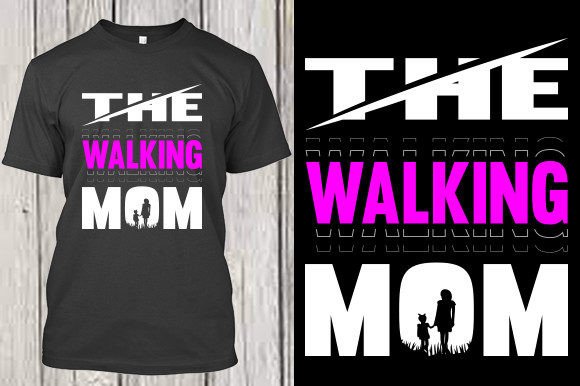
Upon opening the files, the first thing that stands out about The Walking Mom is its narrative quality. It isn't just a silhouette; it carries a mood of active motherhood that resonates deeply with modern parents. The layout suggests movement and purpose, which is crucial when selecting graphics for sweatshirt embroidery or tote bag designs. In the digital workspace, the lines appear clean, but as an embroiderer, I am immediately assessing how those lines will behave under tension. The design feels organic rather than rigid, making it an excellent candidate for softer, more relaxed garments rather than stiff, structured uniforms. For a craft business targeting new mothers or fitness enthusiasts, this visual personality bridges the gap between sentimental and active, allowing for a wider range of personalized gift options.
Real-World Application: The Custom Sweatshirt Test
To truly judge this asset, I mentally placed it into a recent client scenario: creating a custom crewneck sweatshirt for a local moms' walking group. This is where The Walking Mom shines, but also where technical considerations arise. The provided file size is 15 inches by 18 inches, which is substantial. For a standard adult sweatshirt, this scale works beautifully as a full-back print or a large front placement. However, for embroidery projects, size dictates stability. At this dimension, you are covering a significant surface area. If you attempt to stitch this at full size without proper planning, you risk fabric distortion.
In my test scenario, I would likely utilize the SVG or EPS formats to resize the design down to a 10x12 inch footprint for the back of a fleece crewneck. This maintains the visual impact while reducing stitch density issues. The design’s theme makes it perfect for holiday embroidery gifts or team merchandise. When stitched on fleece, the texture of the fabric complements the "walking" theme, adding a tactile warmth that flat prints cannot achieve. For commercial embroidery businesses, this specific application demonstrates high perceived value because the design tells a story relevant to the wearer's identity.
Navigating Fabric Challenges and Hoop Limitations
While The Walking Mom is versatile, it demands respect regarding substrate selection. Because the original dimensions are large, users must be cautious when applying this to smaller items like baby onesies or caps. Resizing a complex graphic too small can result in lost details or thread breaks. If you intend to use this for baby embroidery, I strongly recommend isolating specific elements of the design rather than shrinking the entire 15x18 composition. Tiny lettering or intricate details in the original artwork may not survive a reduction to a 4-inch hoop size without significant digitizing adjustments.
Fabric texture also plays a critical role. On smooth cotton t-shirts, the design will render crisply. However, on textured fabrics like waffle knit or heavy canvas tote bags, fine lines may get lost. For these applications, treating The Walking Mom as an applique design could be a superior strategy. Using fabric pieces for the larger solid areas reduces stitch count and prevents the "bulletproof" stiffness that often plagues large embroidery designs. Always verify your hoop size capabilities before purchasing; if your machine maxes out at 5x7, you will need to split this design or resize significantly, which requires checking the integrity of the vector lines first.
Technical Considerations for Stitch Quality
As a reviewer, I must emphasize that receiving AI, EPS, SVG, DXF, and PNG formats does not guarantee a ready-to-stitch DST or PES file. These are vector and raster graphics, not native embroidery files. For Etsy sellers and makers, this means you have creative freedom but also technical responsibility. You will need to digitize this graphic or hire a professional digitizer to convert it into a stitch file suitable for your specific machine. This step is non-negotiable for achieving professional results.
When digitizing The Walking Mom, pay close attention to stitch direction and pull compensation. A design depicting walking implies motion; your stitches should follow that flow. Horizontal fill stitches across vertical leg shapes can cause puckering. Instead, consider angled fill stitches or contour fills that mimic the movement in the artwork. For outlines, a sturdy satin stitch or double running stitch provides definition without excessive density. Thread color contrast is equally vital; test your palette on scrap fabric to ensure the figure reads clearly against both light and dark backgrounds. Remember, what looks good in a printable mockup may lack necessary contrast when rendered in thread.
Maximizing Value for Creative Entrepreneurs
For those running a small shop product line or selling digital embroidery files, The Walking Mom serves as a strong foundational asset. Its relatability drives buyer engagement. Customers aren't just buying a shirt; they are buying recognition of their lifestyle. To maximize this, create multiple variations. Use the full design for tote bags and blankets, but extract individual elements for matching embroidered patches or pocket-sized accents. This consistency builds brand recognition across different product categories.
However, always confirm licensing terms before selling finished goods or derivative digital products. While the description notes the design is perfect for stepping up your crafting game, verifying whether commercial use extends to reselling digitized versions or mass-produced apparel is essential for protecting your business. Professionalism lies in these details. When presenting this design to clients, use black and white mockups alongside colored ones to demonstrate how the design relies on shape and form, not just color, ensuring it remains effective even in monochrome embroidery.
Final Practical Notes for Makers
Before committing The Walking Mom to a final finished product, run a complete test stitch-out on the exact fabric and stabilizer combination you plan to sell. Check for registration errors, especially if combining applique with detailed stitching. Inspect small corners and curves to ensure they aren't rounding off unintentionally. Evaluate the hand-feel of the embroidery; if it is too stiff for a baby item or lightweight tee, reduce density or switch to applique methods.
Ultimately, The Walking Mom is a promising graphic for the embroidery community, provided it is approached with technical mindfulness. It offers a wonderful opportunity to create meaningful custom apparel and gifts that celebrate motherhood in motion. By respecting the translation process from vector art to stitch file, and by adapting the scale to suit the substrate, makers can turn this digital asset into a best-selling staple in their embroidery repertoire. Whether for a boutique collection or a cherished personalized gift, success lies in balancing artistic intent with mechanical reality.