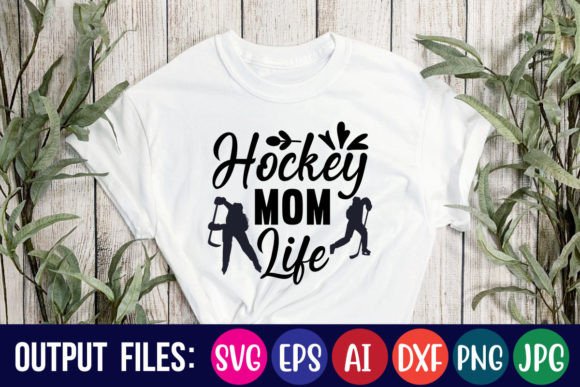
F-Bomb Hockey Mom Cut File: An Embroidery Review
As a professional embroidery designer and product reviewer, I approach every new digital asset with a specific question: will this actually stitch out well on real fabric? When evaluating the F-bomb Hockey Mom Cut File, my assessment goes beyond the screen. While this product is marketed primarily within T-Shirt Designs and Graphics categories for vinyl cutting, its bold typography and layout present unique opportunities—and challenges—for machine embroidery. For Etsy sellers, craft business owners, and apparel decorators targeting the hockey mom niche, understanding how this design translates from vector to thread is essential for creating a high-quality finished product.
First Impressions and Design Personality
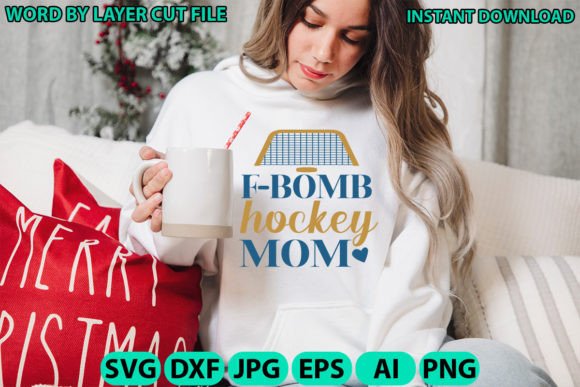
Upon opening the .zip file containing the Adobe Illustrator source and word-by-layer SVG files, the first thing that strikes me is the unapologetic personality of the design. The "F-bomb" theme immediately signals a specific demographic: the passionate, vocal, and humorous hockey parent. Visually, the layout is typically bold and blocky, which is excellent for readability at a distance—a crucial factor for custom apparel seen across an ice rink.
From an embroidery perspective, this visual weight is a double-edged sword. Bold graphics are generally easier to digitize than intricate line art because they allow for adequate column widths in satin stitch or sufficient coverage in fill stitch. However, the humor relies entirely on legibility. If the lettering is too small or the stitch density is off, the joke gets lost in the texture of the fabric. As a digital embroidery file intended for conversion, the clean lines of the AI source suggest it was created with scalability in mind, but as an embroiderer, I must verify that those vectors can withstand the push-and-pull distortion inherent in stitching.
Real-World Application: The Rink-Side Sweatshirt Test
To truly evaluate this design, I mentally placed it in a real-life scenario common to my clients: a custom embroidered sweatshirt for a hockey tournament weekend. Imagine preparing a personalized gift or boutique product for a team mom who wants something edgy yet wearable. A heavyweight cotton fleece sweatshirt is the ideal canvas here. The fabric texture provides stability, and the garment’s warmth suits the cold arena environment.
In this context, the F-bomb Hockey Mom Cut File serves as more than just decoration; it acts as a badge of identity. When converting this graphic for sweatshirt embroidery, I would utilize the word-by-layer SVG structure to assign specific thread colors to each element. This separation allows for precise color blocking without excessive trims or jumps. For a commercial embroidery project like this, the goal is to balance the novelty of the phrase with professional execution. A messy stitch-out on a premium hoodie devalues the handmade product instantly. Conversely, crisp registration and appropriate stabilizer use elevate the item from a gag gift to a desirable piece of custom apparel that customers trust and want to wear repeatedly.
Navigating Fabric Variables and Hoop Constraints
While the design shines on stable fleece, caution is required when applying it to other mediums. As an experienced reviewer, I have seen bold text designs fail spectacularly on stretchy performance wear or thin knits often used in baby embroidery or lightweight tote bag designs. The F-bomb Hockey Mom Cut File likely contains dense areas if converted directly to fill stitches. On four-way stretch fabric, this density can cause puckering or tunneling, ruining the garment.
If you plan to use this design for smaller items like caps or patches, you must assess the minimum text height. What looks readable in Adobe Illustrator may become illegible once reduced to fit a 2x3 inch hoop size. Tiny serifs or internal counters in the font may close up during stitching. For curved surfaces like caps, the horizontal span of the design matters significantly; wide text layouts often require distortion correction or splitting into multiple hoopings to maintain alignment. Always check your specific hoop size limitations before committing this design to headwear or small accessories.
Technical Considerations for Digitizing Success
Since this download includes vector source files rather than pre-digitized embroidery formats, you have total control over the stitch generation. This is advantageous for professional results but requires technical diligence. Here are practical notes for translating this graphic into a successful machine embroidery design:
- Test Stitch Density: Before running a full production batch, test the design on scrap fabric identical to your final product. Adjust underlay stitches to prevent the bold letters from sinking into textured fabrics like terry cloth or fleece.
- Thread Color Contrast: The humor of this design depends on impact. Ensure high contrast between thread colors and the base fabric. Test both light and dark backgrounds; a white design on heather grey reads differently than navy on white.
- Stabilizer Selection: Do not skimp on support. For knit fabrics, use a cut-away stabilizer to maintain shape integrity over time. For woven tote bags or aprons, a tear-away may suffice, but always verify tension first.
- Mockup Validation: Create printable mockups in black and white to check negative space. Sometimes what looks balanced in color appears cluttered when reduced to tonal values, simulating how the eye perceives stitch texture versus ink.
- Licensing Verification: Crucially, confirm the license terms included in your download. Just because a file is editable does not automatically grant rights to sell finished embroidered products or distribute the digitized version. Protect your craft business by ensuring compliance.
Commercial Viability and Customer Perception
For Etsy sellers and small shop owners, the F-bomb Hockey Mom Cut File represents a trending niche opportunity. However, market saturation means quality is your differentiator. Customers browsing for hockey mom gear are looking for relatability packaged professionally. A poorly executed embroidery job suggests a lack of care, whereas precise stitching communicates value.
When listing this as part of your commercial embroidery offerings, transparency builds trust. Clearly state whether the item is embroidered or printed, as the tactile nature of thread adds perceived value over standard vinyl graphics. Use high-quality photos of the actual stitched product rather than just digital renders. Show the design on a model or flat lay that demonstrates scale and placement. This helps buyers visualize the finished product in their own lives, increasing engagement and reducing return rates due to unmet expectations.
Final Verdict for Makers and Designers
The F-bomb Hockey Mom Cut File is a strong contender for niche apparel projects, provided it is treated with the respect due any complex typography design. Its bold aesthetic aligns perfectly with current trends in hockey culture merchandise, making it a valuable asset for personalized gifts and boutique inventory. However, success lies in the translation from screen to stitch.
I recommend this design for intermediate to advanced embroiderers comfortable with digitizing software and fabric testing. Beginners should proceed with caution, starting with stable fabrics and larger sizes to master the density requirements. Ultimately, this file offers creative entrepreneurs a foundation for profitable, personality-driven products, but only if the technical execution matches the boldness of the message. Always prioritize test runs, respect licensing boundaries, and let the quality of your stitching validate the humor of the design.