Cute Pink Slime Pig SVG: An Embroidery Review
As a professional embroidery designer and product reviewer, I approach every new digital asset with a specific question: will this actually stitch out well on real fabric? When evaluating the Cute Pink Slime Pig Svg, Halloween Svg, my focus shifts immediately from screen aesthetics to production viability. This design sits at a unique intersection of seasonal holiday graphics and year-round kawaii appeal. For crafters, Etsy sellers, and apparel decorators, understanding how this vector translates into thread is crucial for creating high-quality merchandise that customers trust and return for.
First Impressions: Visual Personality and Stitch Potential
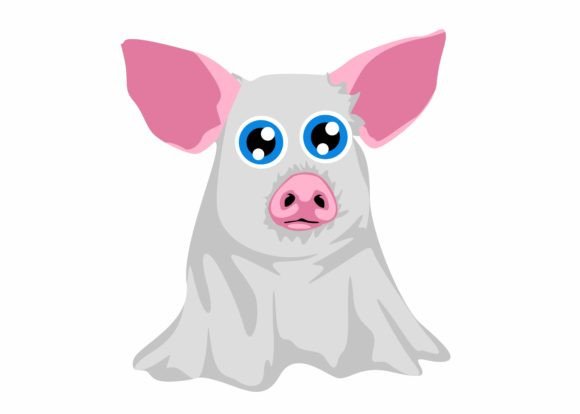
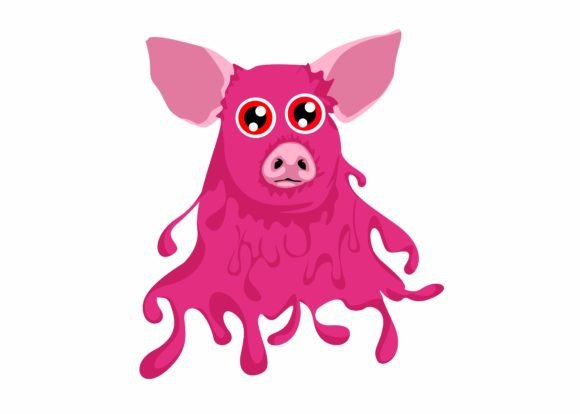
Upon opening the zip file containing the PNG, EPS, and SVG formats, the first thing that stands out is the character’s distinct silhouette. The "slime" aspect suggests fluid, organic curves rather than rigid geometric lines. From an embroidery digitizing perspective, this is excellent news. Organic shapes are generally more forgiving during the stitching process than sharp corners or tiny text. The mood is undeniably playful yet slightly spooky, making it versatile enough for October promotions or general nursery decor.
The visual weight of the pig appears balanced. For a machine embroidery design, balance is everything. If the head is too heavy compared to the body, the design can distort on stretchy fabrics. This graphic seems to have a solid center of gravity, which bodes well for placement on items like sweatshirts or tote bags where fabric grain can shift. The pink colorway provides a natural base for thread selection, allowing for easy shading with satin stitches or creative texture with fill stitches to mimic that signature slime look.
Real-World Application: Custom Sweatshirt Production
To truly evaluate this asset, I mentally placed it in a current client scenario: producing a batch of custom embroidered sweatshirts for a small boutique’s fall launch. Sweatshirt fleece is a textured, unstable fabric that demands respect. Using the Cute Pink Slime Pig Svg, Halloween Svg for this project requires strategic planning.
In this real-life case, I would treat this as a potential applique design candidate. Because the slime pig has defined outer edges, using a fabric applique for the main body could reduce overall stitch density. High-density designs on fleece can cause puckering or create a "bulletproof" patch that feels stiff against the skin. By utilizing the SVG lines as cutting guides for the applique and reserving embroidery for facial features and outlines, the finished product remains soft and wearable. This approach also speeds up production time, a critical factor for commercial embroidery businesses managing tight deadlines.
For clients wanting a traditional full-stitch look, the design’s size matters. On an adult unisex sweatshirt, scaling this graphic to approximately 4x4 inches ensures visibility without overwhelming the garment. However, if targeting baby clothes or toddler apparel, the design must be scaled down significantly. Here, detail loss becomes a risk. Small eyes or mouth details might need to be simplified or omitted entirely to prevent needle perforation issues on delicate cotton knits.
Navigating Fabric Challenges and Hoop Limitations
Not every substrate plays nicely with cute character art. While this graphic shines on stable cottons and fleece blends, caution is required elsewhere. I advise testing before committing to dark fabrics unless you plan to use a white underlay or knockdown stitch. Pink thread on black fabric often looks muddy without proper backing. Similarly, highly textured fabrics like terry cloth or boucle can swallow fine details. If your embroidery project involves tea towels or plush blankets, consider adding a water-soluble topping to keep the stitches crisp and visible.
Hoop size compatibility is another practical constraint. Although the source files are scalable vectors, your machine has physical limits. Before purchasing or downloading, verify that the design fits within your maximum embroidery area when scaled to a usable size. A 2-inch tall slime pig might lose its charm, while a 6-inch version might exceed a standard 4x4 hoop. For makers using multi-needle machines or larger hoops, you have more freedom, but always check the aspect ratio to ensure the pig doesn't look stretched or squashed after resizing.
Curved surfaces present their own set of challenges. Placing this design on a structured cap requires careful positioning. The rounded forehead of the pig might work beautifully on a curved bill, but the bottom half could distort near the seam. For caps, I recommend isolating just the face element or adjusting the layout vertically to accommodate the curve. Flat items like patches, pillow covers, and framed art are far safer bets for preserving the original proportions of the Cute Pink Slime Pig Svg, Halloween Svg.
Professional Presentation and Business Value
For Etsy sellers and handmade shop owners, presentation drives sales. The included PNG files are invaluable here. Before stitching a single test sample, use these high-resolution images to create printable mockups for your listings. Customers need to visualize the final result. Showing the design on a digital sweatshirt template helps gauge interest before investing in materials. Once you have a physical sample, photograph it in natural light to show true thread colors and texture. Digital renders cannot replicate the sheen of rayon or polyester thread, and buyers appreciate seeing the actual handmade product.
Brand consistency matters too. If your shop specializes in pastel goth or kawaii aesthetics, this design aligns perfectly. It reinforces your niche. However, if your brand leans toward minimalist line art or vintage realism, this bubbly slime pig might feel out of place. Cohesion builds customer trust. When buyers recognize your style, they are more likely to purchase multiple items or recommend your shop to friends looking for specific personalized gifts.
Essential Designer Notes for Success
Before loading this file into your software or machine, please observe these professional best practices:
- Always Test Stitch: Never run a new design directly on a sellable item. Use scrap fabric similar to your final project to check tension, registration, and density.
- Verify Licensing: The product description mentions instant download and printable sizes, but it does not explicitly state commercial licensing terms for embroidery. Always confirm whether you can sell finished products made from this design or if it is for personal use only.
- Check File Integrity: Ensure the SVG paths are closed and clean. Open vectors can cause machine errors or jagged edges during digitizing.
- Stabilizer Selection: Match your stabilizer to your fabric. Cut-away for stretchy knits, tear-away for stable wovens, and wash-away for sheer or napped fabrics.
- Thread Color Matching: Screen colors rarely match thread exactly. Pull physical thread samples against the PNG reference to find the closest pink and accent shades.
- Resize with Caution: Vector graphics scale infinitely, but embroidery does not. Drastic resizing may require re-digitizing to adjust stitch types and underlay.
Final Thoughts on Versatility
The Cute Pink Slime Pig Svg, Halloween Svg offers genuine potential for creative entrepreneurs willing to put in the technical groundwork. Its strength lies in its adaptable personality—spooky enough for October, cute enough for everyday wear. Whether you are crafting a unique tote bag design, stocking up on holiday inventory, or creating a one-of-a-kind baby gift, success depends on respecting the relationship between digital art and physical thread. Treat this graphic as a starting point, not a guaranteed outcome. With proper testing, thoughtful fabric pairing, and attention to stitch mechanics, this little slime pig can become a profitable and beloved addition to your embroidery catalog.