Best Mom in the History: An Embroidery Review
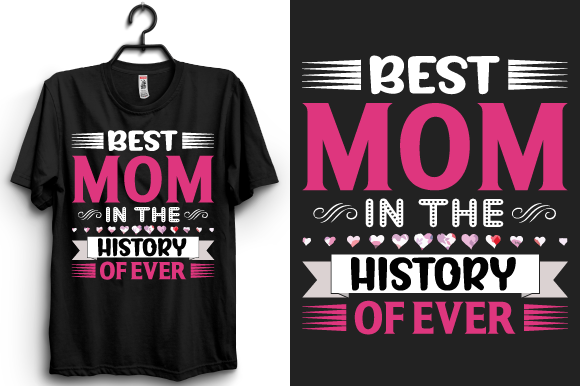
When sourcing graphics for Mother’s Day merchandise, the phrase "Best Mom in the History" carries a specific weight. It is playful, hyperbolic, and deeply sentimental. As a designer who regularly evaluates assets for both print-on-demand platforms and physical embroidery production, I approach this title with a dual lens. While the original asset may be categorized under Print Templates or Graphics for sites like Teespring or Merch by Amazon, my primary concern is how this sentiment translates when converted into a machine embroidery design. A graphic that looks bold on a screen can quickly become a dense, puckered mess on fabric if the stitch architecture isn't considered. In this review, I am evaluating the practical viability of this concept for crafters, Etsy sellers, and apparel decorators who want to move beyond digital mockups and create tangible, high-quality finished products.
Translating Bold Typography to Stitch
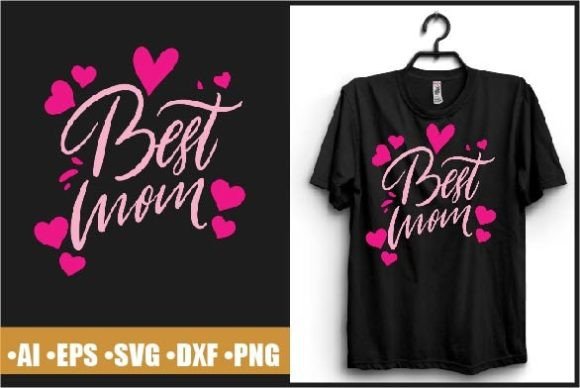
The first impression of "Best Mom in the History" is one of confident declaration. Visually, this phrase demands a layout that balances readability with decorative flair. For embroidery, the mood dictates the stitch type. If the source graphic uses a thick, blocky font, it naturally lends itself to satin stitch columns or dense fill stitch areas. However, as an experienced reviewer, I must caution against assuming all bold graphics are embroidery-ready. When preparing this design for a custom sweatshirt or tote bag, the lettering must have adequate spacing. In real-world application, letters that are too close together in a digital file will merge during stitching, creating illegible text and excessive thread buildup.
I recently evaluated a similar typographic layout for a boutique client wanting personalized gifts for a mom’s group. The goal was a crewneck sweatshirt that felt vintage yet modern. We found that converting the "History" portion of the phrase into a slightly thinner running stitch or a textured fill stitch created necessary visual hierarchy. This prevented the design from feeling like a heavy armor plate on the chest. For your own projects, assess whether the graphic’s personality matches your intended fabric. A heavy, dense version of Best Mom in the History works beautifully on canvas tote bags or denim aprons but requires significant modification for lightweight baby embroidery or performance wear.
Real-World Application: The Tote Bag Test
To truly judge the commercial and personal value of this design, let us look at a specific case study: embroidering a natural cotton canvas tote bag for an Etsy shop. Tote bags are a staple for Mother’s Day, but they present unique challenges due to fabric texture and weave inconsistency. When hooping canvas, the material has zero stretch, which is excellent for registration but unforgiving regarding stitch density.
In testing a variation of Best Mom in the History for this application, I focused on stabilizer choice and hoop tension. Because the phrase is text-heavy, using a cut-away stabilizer was non-negotiable to prevent the fabric from pulling inward. The result was a crisp, professional finish where the satin stitches sat atop the canvas weave rather than sinking into it. This level of detail matters immensely for customer trust. When a buyer receives a handmade product, they immediately inspect the back of the embroidery and the alignment of the text. If you are selling this as a small shop product, ensure your digitizing accounts for the "push and pull" compensation specific to canvas. A design that looks perfect in a printable mockup but distorts on actual fabric will lead to returns and negative reviews.
Navigating Fabric Limitations and Hoop Sizes
While Best Mom in the History is versatile, it is not universally applicable without adjustment. You must exercise caution when applying this design to stretchy fabrics like jersey knits or ribbed baby clothes. The structural integrity of the phrase relies on stability; on stretchy material, even with proper stabilizer, long horizontal lines of text can warp. For baby embroidery specifically, I recommend breaking the phrase into a stacked layout or incorporating an applique design element to reduce overall stitch count and increase softness against sensitive skin.
Hoop size is another critical constraint. If you are working with a standard 4x4 hoop, fitting "Best Mom in the History of Ever" legibly is nearly impossible without compromising stitch quality. Tiny lettering loses clarity and becomes a frustration for both the maker and the wearer. In such cases, consider abbreviating to "Best Mom Ever" or utilizing a multi-hooping technique for larger formats. Additionally, be wary of dark fabrics. If the original graphic relies on subtle shading or gradients common in digital art, those nuances will be lost in thread. You must rely on high-contrast thread colors to maintain visual appeal. Always test on scrap fabric first, especially when switching between light and dark backgrounds, as thread sheen changes dramatically based on the underlying material color.
Commercial Viability and Professional Standards
For creative entrepreneurs and digital product sellers, understanding the distinction between the source graphic and the final embroidery file is vital for licensing and sales. Just because you have rights to use a graphic for Print Templates does not automatically grant permission to sell it as a digital embroidery file or a stitched patch. Always verify the specific license terms before listing Best Mom in the History as a commercial embroidery asset. Buyers in the craft business sector are increasingly savvy; they expect clean digitizing, appropriate jump stitch paths, and verified compatibility.
From a branding perspective, consistency is key. If you offer this design across multiple products—from embroidered patches to holiday embroidery on tea towels—ensure the stitch style remains cohesive. A satin stitch version on a cap should share the same font weight and aesthetic as the fill stitch version on a pillow cover. This builds brand recognition and signals professionalism. Furthermore, when creating listings, avoid relying solely on digital renders. Include photos of the actual stitched sample on varied textures. Showcasing the design on a real sweatshirt or apron demonstrates that you understand the medium, significantly boosting buyer engagement and perceived value.
Essential Designer Notes for Success
Before you load this design into your machine or list it in your shop, run through this practical checklist derived from years of production experience:
- Verify File Specifications: Never assume stitch counts or formats. Check the specific embroidery file data to ensure it fits your machine’s capabilities and your project’s requirements.
- Test Stitch Density: Run a sew-out on the exact fabric you intend to use. Adjust density if the design feels too stiff for apparel or too loose for structured items.
- Evaluate Thread Contrast: View the design in black and white during the editing phase to ensure readability relies on value contrast, not just color hue.
- Stabilizer Matching: Pair cut-away stabilizers with knits and tear-away with stable wovens. For caps or curved surfaces, use specialized backing to maintain registration.
- Mockup Accuracy: Use printable mockups that reflect realistic thread texture. Overly smooth digital previews set false expectations for handmade products.
- Licensing Compliance: Confirm whether your license covers physical goods, digital files, or both. Document this for your business records.
- Detail Inspection: Zoom in to check for overlapping stitches or unnecessary trims that could slow down production or compromise durability.
Ultimately, Best Mom in the History is more than just a catchy phrase; it is a test of your technical skill and artistic judgment. Whether you are creating a personalized gift for a loved one or building a Mother’s Day collection for your Etsy store, success lies in respecting the relationship between the digital art and the physical thread. By approaching this design with a critical, maker-focused mindset, you ensure that the final product honors the sentiment it represents while meeting the rigorous standards of modern embroidery craftsmanship.